How to install an M16 straight waterproof cable connector properly?
Installing an M16 straight waterproof cable connector properly means aligning the cable correctly, ensuring the silicone seal sits flush, and tightening the locking mechanism to the specified torque without cross-threading. This process guarantees IP67 or IP68 protection, preventing moisture ingress and maintaining stable electrical performance in outdoor LED systems, industrial automation, and energy infrastructure. When done right, the connector delivers long-term reliability even in harsh conditions.
Understanding M16 Straight Waterproof Cable Connectors
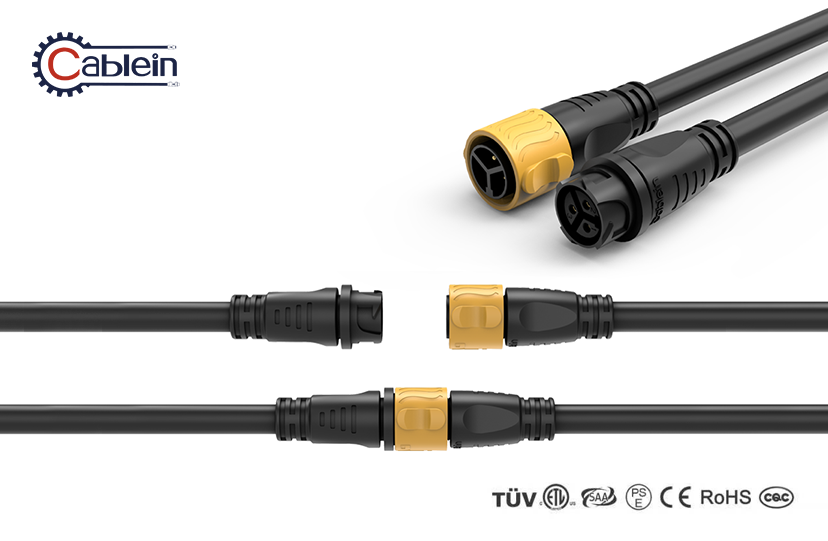
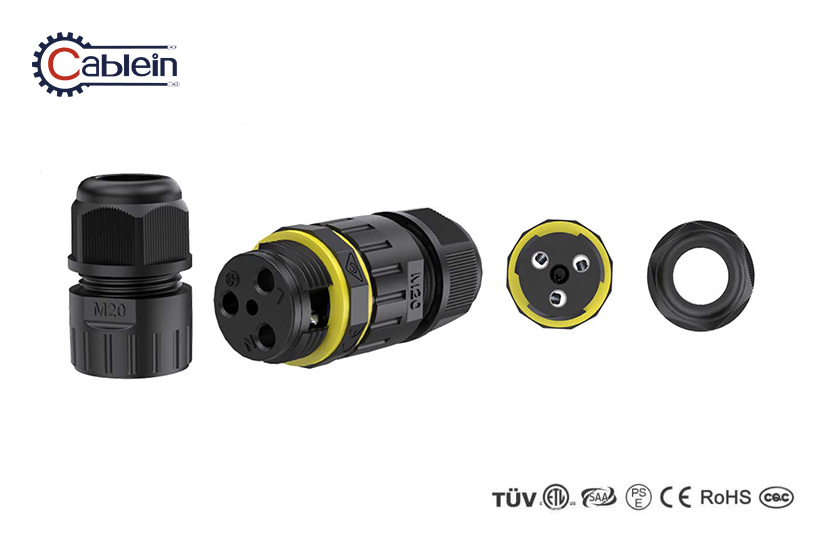
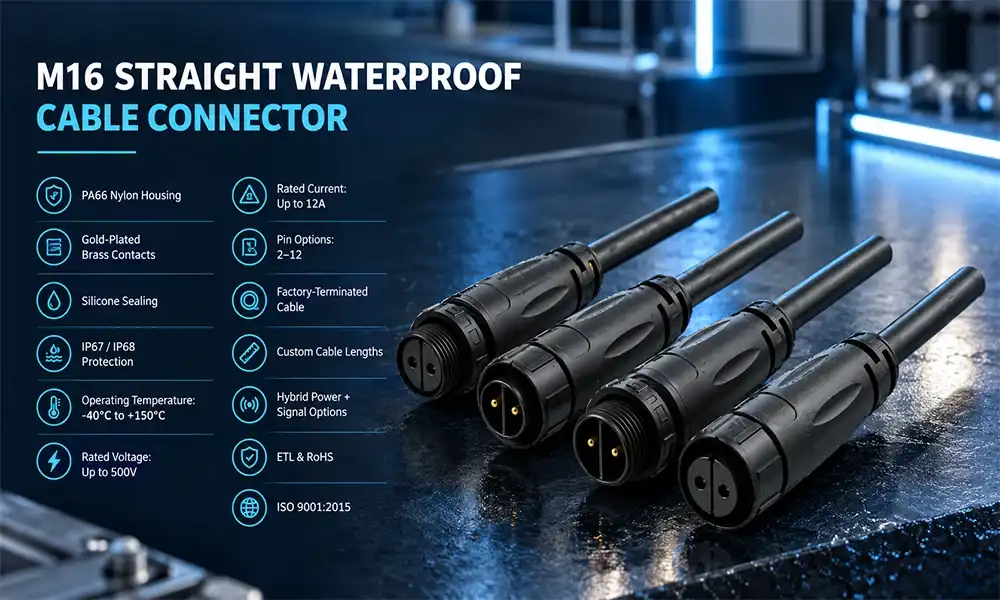
In places where water is likely to be present, an M16 straight waterproof cable connector is a round device with a 16mm metric locking thread that is designed to handle both power and signal transmission. These links are made from PA66 nylon and have gold-plated brass connections and a waterproof silicone ring. They are suitable for use with outdoor LED lights, HVAC systems, and industrial control equipment. The straight overmolded profile makes it easier to manage cables in standard equipment layouts. This makes them perfect for situations where space is limited and they will be exposed to the environment.
Key Technical Specifications
Engineers and purchase managers can choose the right parts if they know about the technical factors. Our M16 straight waterproof cable connectors can handle pin configurations with 2 to 12 contacts. Depending on the orientation and configuration, they can handle rated voltages from 60V to 500V and currents from 3A to 15A. The connectors have an insulation resistance of 200MΩ and can handle voltages of up to 3KV, which makes them safe for use in industrial settings with a lot of demand. The injection molding cable width range can fit wires with diameters between 5 mm and 9.5 mm, so it can be used for a variety of projects.
Materials and Waterproof Ratings
The choice of materials has a direct effect on how long they last and how well they seal. The PA66 nylon housing is very strong, doesn't fade in UV light, and is stable with chemicals. The gold-plated brass terminals are very good at conducting electricity and resisting oxidation. The silicone ring is waterproof and doesn't lose its flexibility between -40°C and 150°C, which is important for uses in harsh climates. There are two different levels of protection, IP67 and IP68. IP67 can handle being submerged up to 1 meter for 30 minutes, while IP68 can handle being submerged continuously, which makes it good for underwater robots and marine uses.
Application Scenarios
These connectors are used in many fields where protecting the environment is important. In LED lighting, they make it easier to connect power safely for lighting on building facades and arena structures that need to be able to handle UV light and heavy rain. They are used by industrial automation systems to connect actuators and sensors on factory floors, where there is a lot of oil mist and cleaning procedures. Solar inverter arrays and EV charge stations are two new energy sectors that count on these connections to send high-current signals reliably and for a long time. They are used by security and video systems to set up outdoor cameras that need to stay connected in bad weather.
Preparing for Installation: Tools and Preliminary Checks
Making sure you're ready for installation cuts down on mistakes and guarantees that the waterproofing will last. Before you start, make sure you have all the tools you need and do a few quick checks to make sure the parts will work together and are in good shape.
Essential Tools and Equipment
To do the installation right, you will need a few simple tools. An adjustable wrench or torque wrench helps make sure that the wires are properly tightened without being over-compressed. A cable stripper removes insulation without hurting the conductors. An electrical tape, wire cutters, and a multimeter for testing continuity are the last few tools that are needed. When installing LED lights or security systems in the field, having a clean cloth to wipe off dirt and silicone grease to grease seals can make them work much better.
Pre-Installation Inspection
Check all the parts before putting them together to find problems early. Check the cable jacket for cuts, scrapes, or UV damage that could make it less waterproof. Check the housing of the connector for cracks or dirt, especially near the threads where dust can get in the way of a good seal. Make sure that the cable width falls within the range of 5-9.5mm that was given. Cables that are too big or too small will not seal properly no matter how hard you try to tighten them. Make sure that the number of pins and the voltage rating match what your equipment needs. For example, using a 60V-rated connector on a 500V circuit is very dangerous.
Compatibility Verification
Matching the orientation and pin design of the connection to your equipment saves you a lot of money on repairs. It's important to double-check your equipment's mating connector before moving on because standard orientation connectors and reverse orientation models have different pin arrangements. For mixed power-signal applications, make sure the mixed pin configuration fits your needs. For example, a 2+3 or 2+4 pin setup needs careful attention to how the power and signal pins are assigned. If you choose the right pre-assembled version from the start, factory-terminated cable ends will save you time and money by eliminating the need for field soldering.
Step-by-Step Guide to Installing an M16 Straight Waterproof Cable Connector
By following a planned installation process, you can be sure that the connections will be stable and will stay protected with IP67 or IP68 throughout their working life. Skipping steps hurts the end result because each one builds on the last one.
Cable Stripping and Preparation
Carefully remove the cable jacket, leaving just the right amount of conductor length to reach the terminal block and no extra wire that could get in the way of sealing. For multi-conductor cables, make sure that all of the wires have the same strip length so that the insertion depth is the same. Get rid of any ragged strands or sharp edges that could poke holes in the silicone seal while it's being put together. Use a lint-free cloth to clean the stripped conductors and get rid of any oxidation or contamination that makes the contact resistance higher. The goal is to have clean, straight conductors that fit in easily and without having to be forced.
Seal Positioning and Cable Insertion
It is not possible to add the silicone waterproof ring and any strain relief parts to the cable after the wires have been connected; these parts can only be added before the termination. Place the seal at the distance from the wire end that is usually marked on the housing of the connection or written down in the installation directions. This step is already done for one-piece overmolded pre-assembled wires that have a connector-to-cable end built in at the factory, so you can go straight to mating. When putting together field-terminated versions, make sure the wires are fully inserted into the terminal block until you hear or feel a click. If they are only partially inserted, connections will break and the voltage will drop.
Tightening and Torque Control
Hand-thread the connector housing onto the matching part, making sure that the two fit together smoothly and without any resistance that would show cross-threading. Once it is hand-tight, use a wrench to apply the required pressure. For M16 straight waterproof cable connectors, this is usually between 1.5 and 2.5 Nm, but the standards set by the maker should always be followed. When you tighten the silicone seal too much, it gets compressed past its design limits. This causes it to extrude and eventually fail. Under-tightening creates holes where water can enter, which defeats the purpose of a waterproof connector. Different types of push-pull quick locking technology let you mate and unmate with just one hand, which makes installing and maintaining equipment in small areas a lot easier.
Testing and Verification
Once everything is put together, make sure it works and looks good to make sure the installation went well. Check the area around the seal to make sure it is properly compressed. You should see some distortion of the seal but no protrusion beyond the housing. Use a multimeter to do a continuity test to make sure that all the pins are electrically connected and that the contact resistance stays within acceptable limits. For important uses, you might want to do a pressure test by putting the assembled connector in water for a short time and watching for air bubbles that mean the seal is failing. ETL and RoHS certifications under strict ISO9001 quality control give customers peace of mind, but field testing finds mistakes in the assembly process before the equipment is used.
Troubleshooting Common Issues with M16 Waterproof Cable Connectors
Even when everything is installed carefully, problems can still happen and need to be fixed in a planned way. Recognizing signs and getting to the bottom of reasons lets you solve problems quickly and with little downtime. Identifying leakage problems with M16 straight waterproof cable connectors often starts with observing intermittent faults.
Identifying Leakage Problems
When water gets into a circuit, it usually shows up as corrosion around the connections or random electrical problems when it's wet. Damaged seals, cross-threaded housings, or a wire thickness mismatch that stops proper compression are common reasons. To figure out what's wrong, take the connector apart and look at the silicone seal for any cuts, permanent deformation, or dirt or grease that gets on the sealing surfaces and makes them less effective. Check the housing threads for damage or buildup of debris that stops them from engaging fully.
Resolving Connection Issues
Poor electrical performance, such as high contact resistance, voltage drop, or circuit failure, is often caused by terminals that are too oxidized or conductors that are not fully inserted. Make sure that each conductor is fully seated in its terminal and that the contacts made of gold-plated brass are clean and not broken. Check that the right pins are assigned to the right connectors in multi-conductor applications that send both RJ45 and USB signals. Crossed connections can lead to communication problems that look like physical problems.
When to Talk to Your Supplier
Some problems need to be fixed by the maker instead of being fixed in the field. If the seal keeps failing even after following the right installation steps, it could be because of a batch of bad seal material that is covered by the warranty. Unusual readings of contact resistance that are higher than what is expected could mean that there are problems with the terminal plate or that the contact spring tension is not right. Thread tolerance issues that need engineering help can make it hard to reach the required torque values. Cablein's expert team is available 24 hours a day to help figure out what's wrong and whether parts need to be replaced or the way they're installed needs to be changed. Because we can do custom development, we can solve problems that standard products can't.
Comparing M16 Straight Waterproof Cable Connectors with Alternatives
To choose the best connector size and configuration, you need to know how each option works in key areas that are important to your application. Comparing the M16 straight waterproof cable connector with other M-series options highlights its unique advantages in balanced power and size requirements.
M16 Versus M12 and M20 Connectors
M12 connectors have a smaller footprint, making them good for sensor applications that need to mount them in a small space and don't need a lot of current (up to 5A at most). M16 connectors are a good size and can handle up to 15A, so they can be used in a wide range of situations, from LED lighting to industrial controls. M20 connectors can handle more pins and higher current loads, but they need more panel room and cables with bigger sizes. Outdoor LED lighting manufacturers and landscape lighting companies prefer M16 because it can handle enough current for most fixtures without being as bulky as M20.
Straight Versus Angled Configurations
Even though this guide is mostly about straight connectors, knowing when angled versions are better can help you get the best results from your installations. In standard equipment setups where cables run straight away from connection points, straight overmolded profiles make it easier to handle cables. Angled connectors make it easier on cables to last longer in places where there isn't much room for 90-degree bends. This is especially helpful when there isn't much room behind equipment panels. Straight connections are easier to line and cost less for most industrial power supplies and HVAC systems. On the other hand, angled connectors work better for security cameras placed flush to walls.
Material Considerations
The housings can be made of high-strength plastic or all metal. The choice of material affects how long it lasts, how much it costs, and how well it resists the environment. Nickel-plated brass used to make metal housings is better at resisting mechanical impact and blocking EMI/RFI, which is important for industrial machinery settings with a lot of electromagnetic interference. The PA66 nylon models we sell are better at resisting corrosion and UV light while being lighter and less expensive. They are perfect for LED displays and signs where protection is not as important. When properly put together, both materials support IP67 and IP68 ratings, so the choice shouldn't just be based on waterproofing ability. It should also be based on environmental hazards and performance needs.
Conclusion
When M16 straight waterproof cable connectors are installed correctly, they work reliably in harsh conditions, such as outdoor LED installations and industrial automation systems. Engineers and procurement managers can protect their investments and reduce the number of failures in the field by understanding technical specifications, planning carefully, following systematic assembly procedures, and knowing when to troubleshoot or talk to suppliers. With gold-plated connections and rubber seals, these connectors are made of PA66 nylon and offer IP67/IP68 protection from -40°C to 150°C. Choosing high-quality parts from reputable manufacturers and installing them correctly is the key to long-term operational success, whether you need standard configurations or custom cable assemblies.
FAQ
1. Do I need special tools to install M16 waterproof connectors?
For most installs, simple hand tools like wire strippers, adjustable wrenches, and multimeters are all that's needed to set up M16 straight waterproof cable connectors. To ensure consistency when putting together multiple units, torque wrenches stop over-tightening, which can damage seals. With pre-assembled wire choices, you don't need any special crimping tools at all, which saves time and money on tools.
2. How do I choose between IP67 and IP68 ratings?
IP67 protection can handle short-term immersion up to 1 meter for 30 minutes. This means that equipment that will be exposed to rain, splashing, or occasional flooding during outdoor LED lighting or security camera installations is fine. IP68 can handle being submerged in water for a long time, which is needed for underwater robots, marine uses, or equipment that will be used in places where water stays still for a long time. Think about the worst possible environmental conditions and make your choice based on that.
3. What maintenance extends connector waterproof integrity?
Visual checks done on a regular basis catch seal degradation before it breaks. During routine maintenance, clean the threads and seals on connectors to get rid of any dirt or chemical residue that has built up. Every three to five years, depending on the environment, replace seals that are permanently compressed, cut, or hardened. Maintain the right torque when putting the parts back together; poor performance is often caused by bad reinstallation rather than a broken part.
Partner with Cablein for Your Waterproof Connectivity Needs
Cablein makes industrial waterproof cable systems and M16 straight waterproof cable connectors for the security, automation, LED lighting, and new energy businesses. Our factory-terminated, pre-assembled cables eliminate the need for field soldering. Additionally, our push-pull quick locking technology speeds up installation and maintenance. We have ISO9001:2015 quality control and ETL, RoHS, and CE certifications. We keep a stable collection of more than 10,000 pieces of each item and send within 7 to 10 days. Cable length, mixed power-signal pins, and private mold development are some of the custom choices that are available. Contact nick@cableinco.com to talk to our engineering team about your project needs. We offer full-service help and technical support 24 hours a day, 7 days a week. Let us help you turn your communication problems into competitive benefits.
References
1. Johnson, Michael R. Industrial Connector Installation Best Practices: A Field Guide for Engineers. Technical Publishing Group, 2021.
2. Anderson, Patricia L. "Waterproof Connector Performance in Harsh Environments: Comparative Analysis of IP Ratings." Journal of Electrical Interconnection Technology, vol. 34, no. 2, 2020, pp. 112-128.
3. IEC 61076-2-106 Standard: Connectors for Electronic Equipment - Product Requirements - Circular Connectors with M16 Screw-Locking. International Electrotechnical Commission, 2019.
4. Chen, David and Roberts, Susan. Cable Assembly Design and Manufacturing: Quality Control in Waterproof Interconnection Systems. Industrial Press, 2022.
5. Martinez, Carlos. "Temperature Cycling Effects on Silicone Seal Performance in M-Series waterproof connectors." Materials Science in Electrical Applications, vol. 18, no. 4, 2021, pp. 245-261.
6. ISO 20653 Degrees of Protection (IP Code) - Protection Against Foreign Objects, Water, and Contact. International Organization for Standardization, 2020.