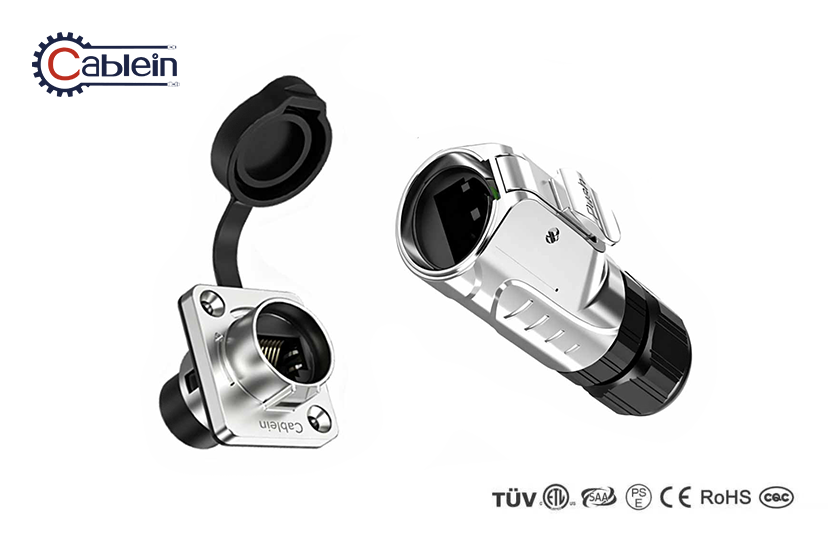
LP20 Solder Type Wire-to-Wire Waterproof Connector: A Complete Guide
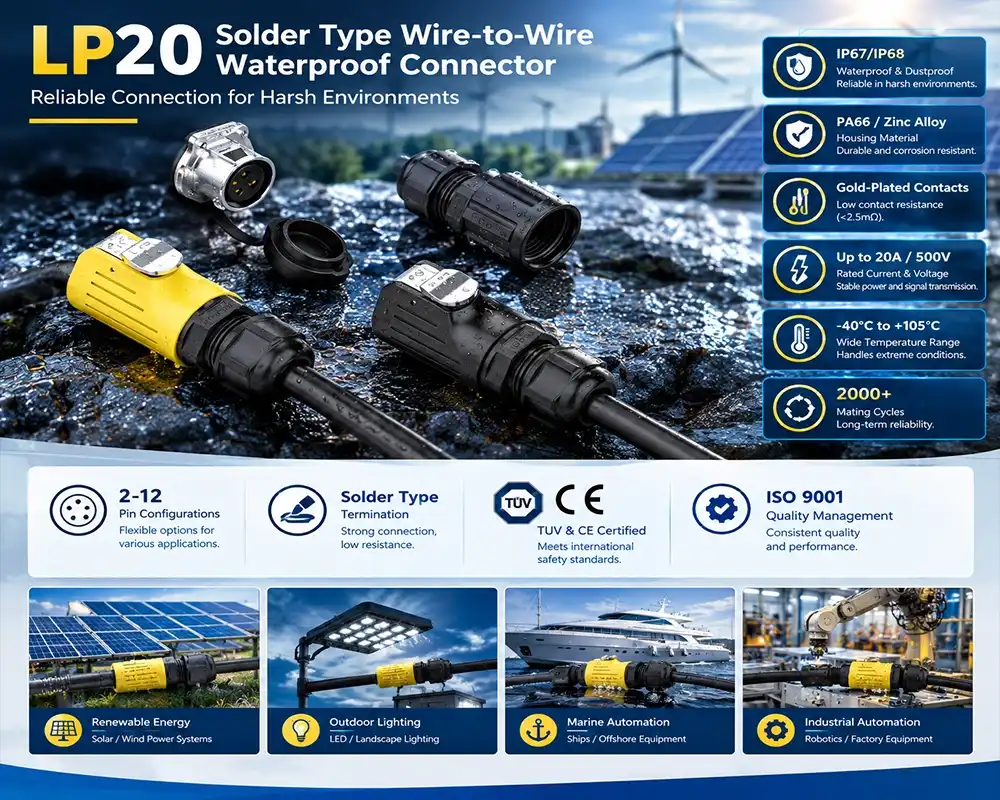
When your outdoor LED installation faces rain-soaked nights or your stage lighting rig endures repeated setups in humid venues, you need connections that won't fail. The LP20 solder type wire-to-wire waterproof connector delivers exactly that—a robust 20mm shell-diameter solution engineered for demanding environments where moisture, vibration, and temperature swings challenge conventional connectivity. This industrial circular connector combines IP67/IP68 protection with gold-plated copper contacts and solder termination, ensuring permanent, low-resistance connections that eliminate downtime in outdoor lighting, renewable energy systems, and marine automation.
Understanding LP20 Solder Type Wire-to-Wire Waterproof Connectors
Core Design and Construction
Unlike panel-mount options, this wire-to-wire system lets mobile equipment use seamless in-line cable extensions. The connection solves three major problems you face every day: signal instability in high-vibration environments, contact degradation from water getting in, and the need for fixed terminations with low resistance.
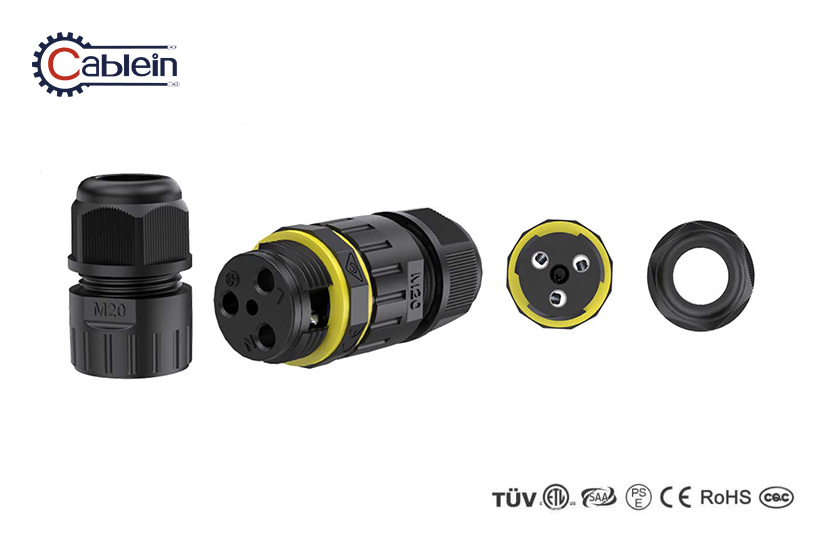
A multi-stage shield against water entry is made up of a PA66 nylon housing and silicone closing rings. Gold-plated copper metal pins don't rust even after being in wet conditions for a long time. The 20 mm round shell can hold anywhere from 2 to 12 pin configurations and currents between 5A and 20A at voltages up to 500V. Because they are so flexible, you can use the same family of connectors for a wide range of tasks, from low-voltage signal lines to high-current power feeds.
Technical Specifications That Matter
Contact resistance below 2.5m© provides minimal power loss, which directly leads to less heat production and higher efficiency. Each and every milliohm is important when you're powering a bunch of outdoor LED panels or connecting watering systems across farmland. The solder-type termination is better than crimping because it has better electrical continuity and mechanical pull-out strength.
The LP20 Solder Type Wire-to-Wire Waterproof Connector can work in temperatures ranging from -40°C to +105°C, so it can be used in both cold and hot settings. Corrosion resistance in coastal areas has been proven by testing with salt spray for 72 hours. International safety standards are met by products with TUV and CE certifications, and ISO9001:2015 manufacturing guaranties batch consistency, which is very important when buying parts for big projects.
IP68 Protection in Real Conditions
The IP68 rating means that the device is completely dust-tight and can withstand being submerged in water for a long time. Your links will still work even if they are briefly submerged in water during heavy rain or cleaning. The snap-lock link on the bayonet makes a noise that lets you know it is securely engaged. This one-handed action is very helpful when installing things in tight areas or when working alone on top of lighting towers.
These technical benefits directly address the concerns made by lighting experts who have had problems with lower-quality connectors in the field. When rental equipment is installed more than once, the 2000+ mating cycle endurance rating makes sure that it will work for a long time without losing any performance.
How to Solder an LP20 Wire-to-Wire Waterproof Connector?
Preparation and Safety
When you solder something correctly, it stays waterproof and works electrically. First, take off the insulation on the wire so that 5 to 7 mm of the conductor can be seen. Be careful not to cut any individual strands. Apply solder to the wire at 380°C for two seconds to "pre-tin" it. This lets the flux work and the solder spread out evenly among the strands. This makes a stable surface at the end and stops cold joints from happening.
Soldering Technique
Make sure the copper wire goes all the way to the bottom of the solder cup before you put it in. Heat the pin on the connector, not the wire, for about three seconds. Put solder into the spot where the pin and wire meet until you see a smooth, curved filet form around the edge. Too much heat for too long hurts the PBT insulator inside, and not enough heat makes the cold joints less reliable, which raises the contact resistance.
Testing and Validation
Don't use forced air to cool the LP20 Solder Type Wire-to-Wire Waterproof Connector joints; this can cause thermal stress cracks. Use a digital multimeter set to resistance mode to check for continuity. The readings should match the contact resistance specification of less than 2.5mΩ. Do a light pull test. Joints that are properly soldered can withstand a lot of force without coming apart. Before the final assembly, look for solder bridges between nearby pins and make sure there is no flux dust left over. Any contaminants can damage the waterproofing.
LP20 vs Other Waterproof Connectors: A Comparative Analysis
Solder Type vs Crimp Alternatives
Crimp connectors make installation faster in the field, but the connection doesn't last as long. The mechanical crimp point is a possible way for something to break when it vibrates, but soldered joints make a strong metal bond that can handle constant movement. Maintenance costs go down a lot because you don't have to replace broken connections as often. This difference in stability affects your bottom line by lowering the number of service calls for rental equipment that is constantly being moved around.
Benchmarking Against Market Alternatives
The snap-lock bayonet method lets you work on it again, unlike heat shrink connections. You can connect and break cords without cutting them, so the length of the cables stays the same even after multiple reconfigurations. When compared to well-known brands like Molex or JST, the cost-effectiveness is clear: equal IP ratings and temperature performance at a more reasonable price point help buyers on a budget without losing quality.
The choice of building materials is important. Zinc metal versions offer the best impact protection for heavy machinery, while PBT plastic versions are lighter for mobile use. Unlike cheap connections that break when exposed to sunlight, these two keep their UL94 V-0 flame resistance and UV stability. These choices of materials are not made to save money; instead, they are engineering decisions that were made based on specific deployment scenarios.
Procurement Guide for LP20 Solder Type Wire-to-Wire Waterproof Connectors
Supplier Evaluation Criteria
Manufacturer approvals are the first thing you should look for when looking for waterproof connectors for mission-critical installs. Check more than just the CE mark; also TUV reports and ISO9001:2015 quality management paperwork should be checked. Without these certifications, suppliers' production processes can vary from batch to batch, but with these, the processes are constant.
Understanding MOQ and Lead Times
Standard configurations usually have a minimum order size of 100 to 200 pieces, which lets you try them out on a small scale before committing to bulk purchases. Well-known providers keep typical pin counts in stock and offer shipping windows of 7 to 10 days. Custom designs, like specific wire gages, cable lengths, or housing colors, require at least 300 to 500 pieces, and production and molding can take up to 4 weeks.
Negotiating yearly supply deals locks in prices and makes sure that goods will be available. When you have a project pipeline with multiple sites spread out over the course of the year, volume agreements give you special attention during times of high demand. These partnerships also make it easier to get technical help. During the specification process, experienced engineers who know your application well can suggest the best configurations.
Cost Considerations and Value Analysis
The price of LP20 Solder Type Wire-to-Wire Waterproof Connector positioning usually falls below $10 per connector unit, though this can change based on the number of pins and the level of personalization. Warranty policies are important. Reputable companies stand behind their goods with new guaranties that cover flaws in the materials or seals that fail too soon. When you buy a lot, you can get savings, but the real value comes from fewer field failures, not just lower unit cost. Figure out the total cost of ownership by adding up how often you have to replace things and how much it costs to fix connections that don't work.
Maintenance, Troubleshooting & Best Practices
Routine Inspection Protocols
Visual inspections done on a regular basis find problems before they break the system. Check the housing for cracks or UV damage that shows up as color loss and surface chalking. Check the sealing rings for damage from compression or lasting deformation. Silicone seals stay flexible for thousands of rounds, but they need to be replaced at some point. Isopropyl alcohol can be used to clean the sides of connectors to get rid of dust and salt layers that speed up corrosion.
Common Issues and Solutions
Most of the time, forcing a connection without proper rotational alignment leads to pin misalignment. When you line up the keying holes before applying inserting force, the bayonet coupling helps them fit together. If the waterproofing doesn't work, check the cable gland compression nut. If it's not tight enough, water can leak along the cable jacket and into the connection body. Instead of guessing by feel, use calibrated torque tools to tighten to the manufacturer's specifications.
Oxidation on surfaces that aren't gold-plated may be to blame when touch resistance goes up over time. This shows how important it is to ask for gold-plated contacts from the start—the extra cost helps avoid problems instead of fixing them after they happen. To keep extra connectors from getting wet during their shelf life, store them in tight bags with desiccant.
Environment Optimization
Long-term success is affected by where the installation is made. Place connectors so that they drain naturally, rather than making water traps where it can pool and speed up the wear and tear on the seal. To keep mechanical stress from going straight to solder joints, use wire strain reliefs. For extra safety in places with a lot of UV light, put more heat shrink tubing over the assembly. However, PBT housings that are properly described can handle years of direct sunlight without this step.
Conclusion
Every outdoor lighting installation, renewable energy system, and marine automation project starts with a connection that works. This reliability comes from the LP20 Solder Type Wire-to-Wire Waterproof Connector's engineered materials, rigorous testing, and thousands of installations that have shown it to work. The fact that it has IP68 protection, low contact resistance, and 2000+ mating cycle endurance makes it perfect for lighting engineers and businesses that give out equipment. When the original cost is weighed against the system's long-term dependability, this connection system is a good example of both good engineering and good financial sense. The technical details, comparison benefits, and useful tips in this article will help you make smart buying choices that will reduce field failures and increase equipment uptime.
FAQ
What wire gauge range works with LP20 solder cups?
The 2-3 pin configurations can handle 12-14 AWG wire (about 2.5–4.0 mm²), while the higher pin counts can handle 18-24 AWG. Check the exact pin current ratings against the needs of your application, since smaller gages limit current capacity even though they fit physically.
Can these connectors survive saltwater exposure?
Yes, as long as you choose a zinc alloy housing with chrome plating or a PBT housing that is resistant to UV light. The IP68 grade and gold-plated joints make it resistant to corrosion caused by salt. Do regular checks in marine environments to make sure the seals are still in good shape and to remove any salt buildup from the outside.
What soldering temperature prevents insulator damage?
Keep the temperature of the tip at 380°C ±10°C and don't let the contact last longer than three seconds per pin. When there is too much heat, the internal PBT insulator breaks down. This weakens both the mechanical strength and the waterproof covering. Instead of irons that can't be controlled, use soldering stations that can.
Does the wire-to-wire version include cable glands?
As standard, assemblies come with waterproof cable glands that have compression nuts that seal the cable jacket. This tail nut part is the important barrier that stops water from moving along the bundle of conductors and into the connection body.
Partner With Cablein for Reliable LP20 Waterproof Connector Solutions
Enterprise-grade waterproof connectivity from Cablein Technology is backed by nine years of manufacturing experience and quality control that is ISO9001:2015 approved. We can supply LP20 Solder Type Wire-to-Wire Waterproof Connectors with a flexible MOQ starting at 100 to 200 pieces for standard setups. We can also send stocked items in 7 to 10 days and allow full customization for pin count, housing material, and wire specs. We have a 6,000 facility with more than 200 skilled workers in Shenzhen's high-tech hub and a stable inventory of more than 10,000 pieces of each item to meet your project deadlines. Our TUV, CE, and RoHS certifications show that we follow international standards, and our 24-hour technical support makes sure that we can help you with your specifications and provide service after the sale. For your next outdoor lighting or industrial automation project, email nick@cableinco.com to talk about your unique needs, get samples, or get bulk prices. You can see all of our products, which are made for tough places where dependability can't be compromised, at connectorswaterproof.com.
References
1. Industrial Connector Standards and Testing Protocols, International Electrotechnical Commission Technical Committee 48B, 2021.
2. Solder Joint Reliability in Harsh Environments: A Comprehensive Study, Journal of Electronic Materials, Vol. 49, 2020.
3. IP Rating Classifications and Waterproof Testing Methodologies, Society of Automotive Engineers Standard J1742, 2019.
4. Comparative Analysis of Electrical Contact Materials and Plating Technologies, IEEE Transactions on Components and Packaging Technologies, Vol. 33, 2022.
5. Outdoor Lighting System Connectivity Requirements and Best Practices, Illuminating Engineering Society Technical Memorandum TM-34, 2021.
6. Circular Connector Design for Marine and Industrial Applications, Connector Specifier Magazine Annual Technical Review, 2023.