LP24 Fiber Optic Waterproof Connector vs. Standard Fiber Connector: Key Differences Explained
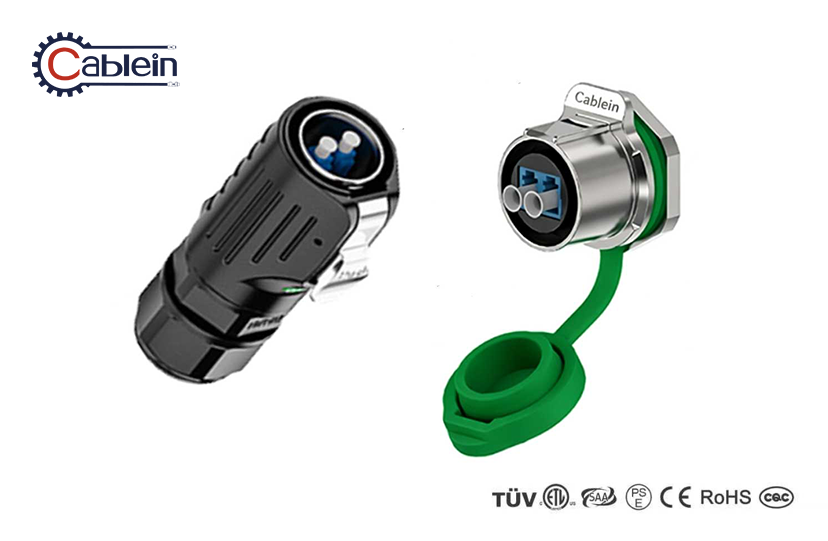
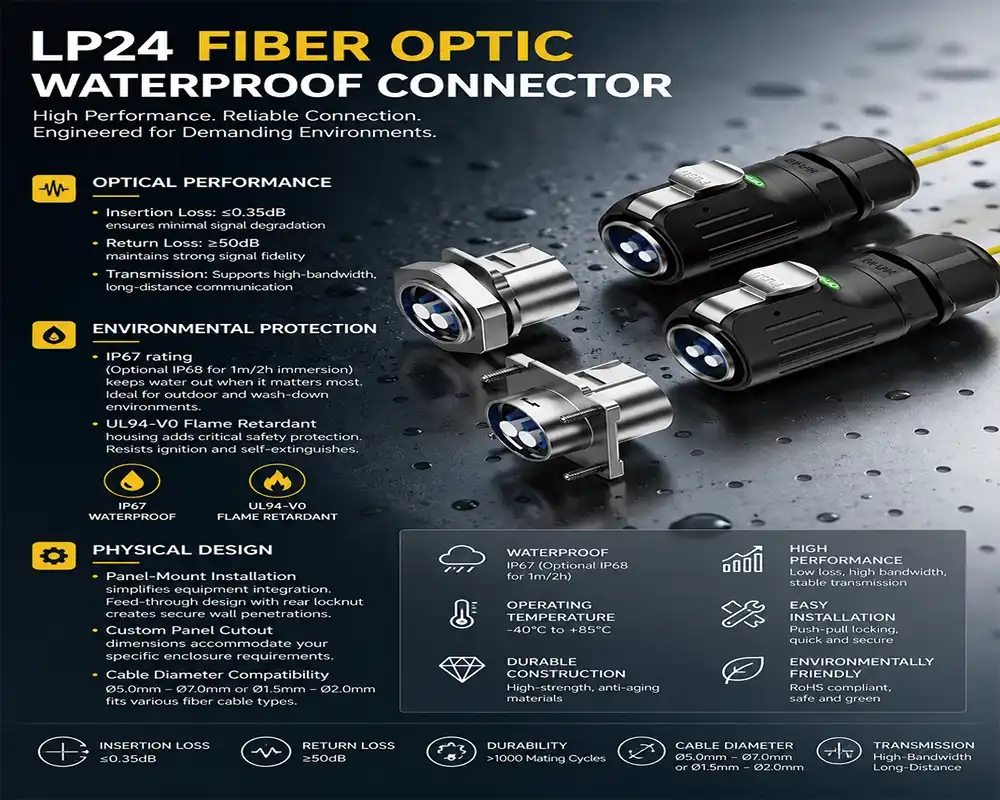
When deploying fiber optic networks in solar power stations, energy storage facilities, or outdoor communication systems, choosing between waterproof panel-mount connectors and standard fiber optic solutions becomes mission-critical. The LP24 Fiber Optic waterproof connector represents a specialized industrial solution engineered for harsh environments where conventional SC, LC, or ST connectors would fail. Unlike standard connectors designed for controlled indoor data centers, this enterprise-grade panel-mount connector provides IP67/IP68-rated protection while maintaining exceptional optical performance with insertion loss ≤0.35dB and return loss ≥50dB across temperature ranges from -40℃ to +105℃.
Understanding LP24 Fiber Optic Waterproof Connectors
Modern communication networks are built around fiber optic connections, but regular connectors weren't made to handle the abuse that outdoor setups get every day. Through careful engineering, the LP24 waterproof fiber connection fixes this basic problem.
Engineered for Environmental Extremes
When they are exposed to moisture, dust, and changes in temperature, traditional fiber connectors don't work as well. The LP24 fixes these problems with a strong panel-mount feed-through design that makes paths through equipment cases that can't be opened. The dual-channel LC fiber interface keeps the signal strong, and the rear locknut installation method seals entry points to an IP67 level, with an extra IP68 level for two hours of submersion in water up to one meter deep.
This level of protection is very important for renewable energy uses where monitoring gear has to work all the time in hot deserts or humid coastal areas. Communication links between solar inverters can't handle dropped signals, and energy storage systems need continuous data transfer to keep the grid stable.
Material Science Meets Optical Precision
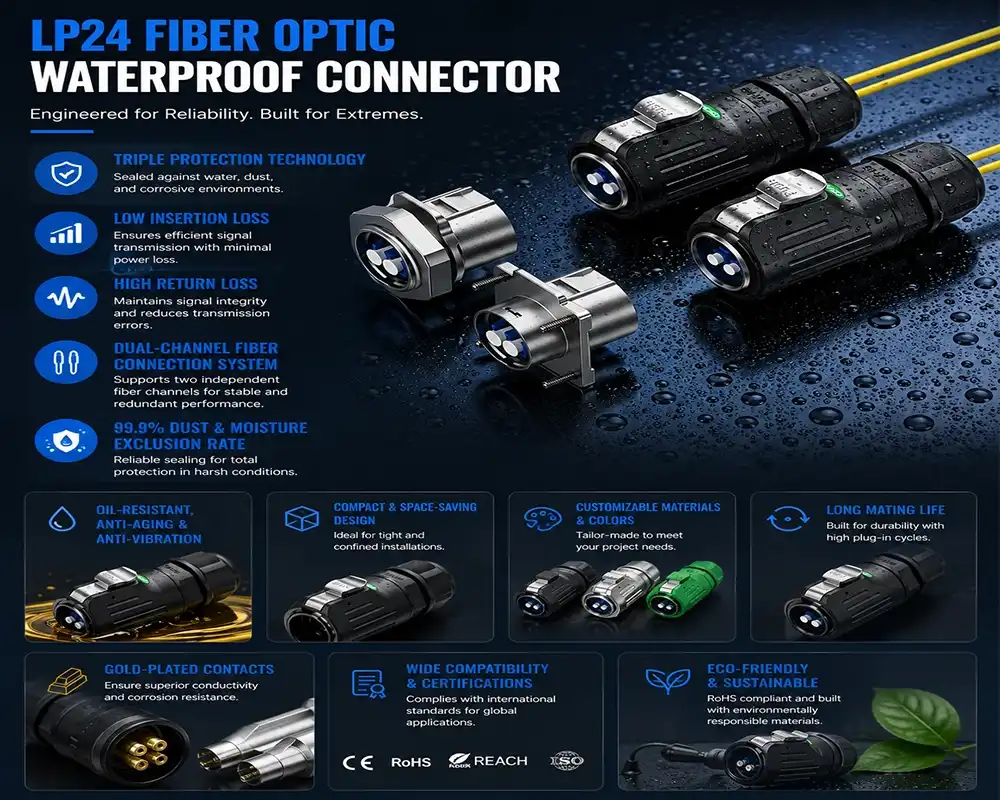
The body of the connection is made of high-performance PBT plastic that meets UL94-V0 flame retardant standards. Chrome-plated zinc alloy versions offer better EMI protection for industrial settings with a lot of electromagnetic noise. This choice of material strikes a good balance between weight, durability, and fire safety, all of which are very important when installing hundreds of connection points across large solar farms.
Precision alignment systems inside keep fiber cores perfectly in place even when they are under a lot of mechanical stress. When standard connectors are heated and cooled or vibrated, they can become misaligned by a few microns. This can cause more insertion loss and signal dropouts. Vibration testing according to IEC 60068-2-6 standards shows that the LP24's mechanical design keeps its optical performance after more than 500 union cycles.
Certification and Compliance Framework
When they work on foreign projects, procurement managers need a lot of approval paperwork. It has TUV and CE certifications under ISO9001:2015 and RoHS compliance, so it meets European safety and environmental standards for electrical equipment. This set of certifications makes it easier to get projects approved, which is helpful when working with design firms or multinational EPC contractors that want proof of compliance before they approve the specifications.
Comparing LP24 with Standard Fiber Optic Connectors
Standard fiber links work great in data centers, but when it comes to outdoor infrastructure, engineers need to set different objectives. Knowing these differences can help you avoid expensive field fails and repairs that need to be done right away.
Waterproofing: The Fundamental Divide
Structured cabling systems use SC and LC connections a lot because they are cheap and work great in computer rooms with controlled temperatures. If you take those same connections outside, within hours, condensation forms on the fiber end faces. Micro-droplets made of moisture scatter light, making signals less clear until communication stops completely.
The LP24's sealing is rated IP67/IP68, which means it keeps water out even when it's directly sprayed with water or temporarily submerged. When putting fiber links at wastewater treatment plants, offshore wind platforms, or coastal monitoring sites that are prone to flooding, this feature is very important. Fine dust particles would contaminate normal connecting ferrules, damaging them permanently and needing to be replaced, but the sealed design keeps them clean.
Durability Under Mechanical Stress
Standard connectors use simple push-pull or twist-lock mechanisms that can be changed from time to time. The LP24 Fiber Optic Waterproof Connector uses a snap-lock connection device that keeps cables in place with up to 100N of force and lets you know when it's working right. This strong mechanical link can be installed in places where there is a lot of shaking from machinery that is turning or from earthquakes.
Cable glands can fit fiber cable sizes between 1.5 mm and 7 mm. They relieve strain and protect fragile glass fibers from shear stress. Standard connectors don't have this built-in strain relief, so they can be damaged during installation if technicians pull on patch cables by accident or if the cables go through cycles of thermal expansion and contraction.
Temperature Range and Thermal Stability
Indoor connections usually list working ranges from 0°C to +70°C, which is fine for places with air conditioning. The LP24 works steadily from -40°F to +105°F, so it can handle both permafrost in the Arctic and the hot desert sun inside outdoor equipment shelters.
The longer temperature performance comes from choosing materials and designing machines in a way that lets them expand and contract with temperature changes. A lot of standard connectors are made of materials that break easily at low temperatures or when they get too hot. This means that connections can fail just when the equipment is under the most stress from the environment.
Cost Analysis Beyond Purchase Price
Standard SC connectors are only a few dollars each, but industrial waterproof panel-mount connections are much more expensive per unit. When you figure out the total cost of ownership over the lifetime of a project, this difference in starting costs goes away.
Protective casings, splice trays, and weatherproof housings are needed for standard connections that are used outside. This adds to the cost of materials, installation work, and enclosure space. Because the LP24 has built-in weather protection, these extras are not needed. More importantly, long-term costs are based on field failure rates. Sending workers to a faraway solar spot to fix a broken standard connector can cost hundreds or even thousands of dollars. The LP24's durability cuts down on these unplanned maintenance tasks, which protects the project's budget.
Technical and Performance Benefits of LP24 Connectors
Performance specs for optics only tell part of the story. How well connections keep those specs over the course of their useful life shows how reliable they are in the real world.
Optical Performance That Lasts
With an insertion loss of less than 0.35dB and a return loss of more than 50dB, this connector has great initial performance, as good as or better than standard LC connectors. Performance reliability over time is what makes the difference. Standard links break down in the environment because they get dirty, rust, and wear out mechanically. The LP24 keeps its optical specs even after years of use outside because it has a protective seal that keeps out dirt and a strong mechanical design that doesn't wear down easily.
Before being shipped, the optical ends of each connector are inspected with a 400x digital microscope to make sure there are no scratches or other foreign materials on the ceramic ferrules. This quality control process finds flaws in the manufacturing process that would hurt optical performance as soon as they are installed. This saves you the trouble of receiving connectors that don't pass acceptance testing.
Simplified Installation Procedures
When compared to field-terminated connectors, panel-mount installation makes it easier to connect equipment. Technicians make panel cutouts of the right size, insert the connection, and secure it with the back locknut. This seals the device immediately to IP67 standards without needing any extra weather protection. Custom panel hole sizes can be made to fit different shell widths and mounting needs, and engineering help is available for installations that don't go as planned.
The LP24 Fiber Optic Waterproof Connector female-to-female feed-through design works with existing fiber infrastructure because it can accept standard LC duplex jumpers on both sides. Installation teams don't need to know how to do fusion splicing or have special field polishing tools or skills. This makes assembly faster and gets rid of common field termination mistakes that happen on projects that use connectorized pigtails with fusion splicing.
Maintenance Advantages in Remote Locations
When fiber end-faces become contaminated, they can be cleaned in the field, unlike permanently sealed connectors that need to be replaced completely. Standard fiber cleaning tools, like alcohol wipes and compressed air, can get things back to working at their best without having to take apart casings or replace whole cable systems.
This ability to be serviced in the field is very helpful for remote setups where replacing parts would require expensive site trips. During routine equipment checks, a maintenance technician can clean both sides of the connection. This keeps small problems from getting worse and causing communication problems.
Procurement Considerations for LP24 Fiber Optic Waterproof Connectors
Strategic procurement manages lead times and licensing needs while keeping technical needs, source dependability, and project costs in check.
Supplier Selection Criteria
To find certified LP24 Fiber Optic Waterproof Connector makers, you need to look at more than just unit price. Long-term dependability depends on the quality of the manufacturing, which is why supplier certification is so important. Check for the ISO9001:2015 quality management system certification. This shows that the quality control processes are organized.
Ask for test records that show that the IP grade was checked by submersion and vacuum leak tests, as well as salt spray test results that show the resistance to corrosion. Manufacturers with a good reputation regularly send these reports, while suppliers who can't provide test documentation probably don't have the right quality control systems in place.
Lead Time Management and Inventory Planning
Standard catalog configurations usually ship seven to ten days from well-known manufacturers who keep stock. Lead times can go up to fifteen to twenty-five days if you need custom panel cutout sizes, special housing materials, or non-standard fiber setups. This depends on how complicated the change is.
For big solar or energy storage projects that need a lot of connectors, it's best to spread out the buying over several delivery milestones that are timed with the building stages. This method avoids the costs of keeping supplies on hand while making sure that materials are available at the right time for installations. Experienced providers can work with phased delivery plans, which is especially helpful for projects that take a long time to build.
Total Cost of Ownership Analysis
Lifecycle costs for connectors are much higher than the price they are sold for at first. Find the installed costs, which should include the cost of the parts that go with them, the work to install them, and the expected costs of upkeep. Because the LP24 is designed to work with standard connectors, it doesn't need separate weatherproof enclosures, cable glands, and protective housings. This saves money on materials and time during installation.
Reliability has a big effect on operating costs. Each call to the field to replace a broken LP24 Fiber Optic Waterproof Connector connection costs a lot more than the part itself. The LP24 has been shown to last in harsh settings, which cuts down on these unexpected repair tasks and keeps clients happy.
Making the Right Choice: LP24 or Standard Fiber Connectors?
The best connection to use depends on the application. Knowing when waterproof panel-mount connectors are worth the extra money they cost helps make sure that the right technology is used.
Application-Driven Selection Criteria
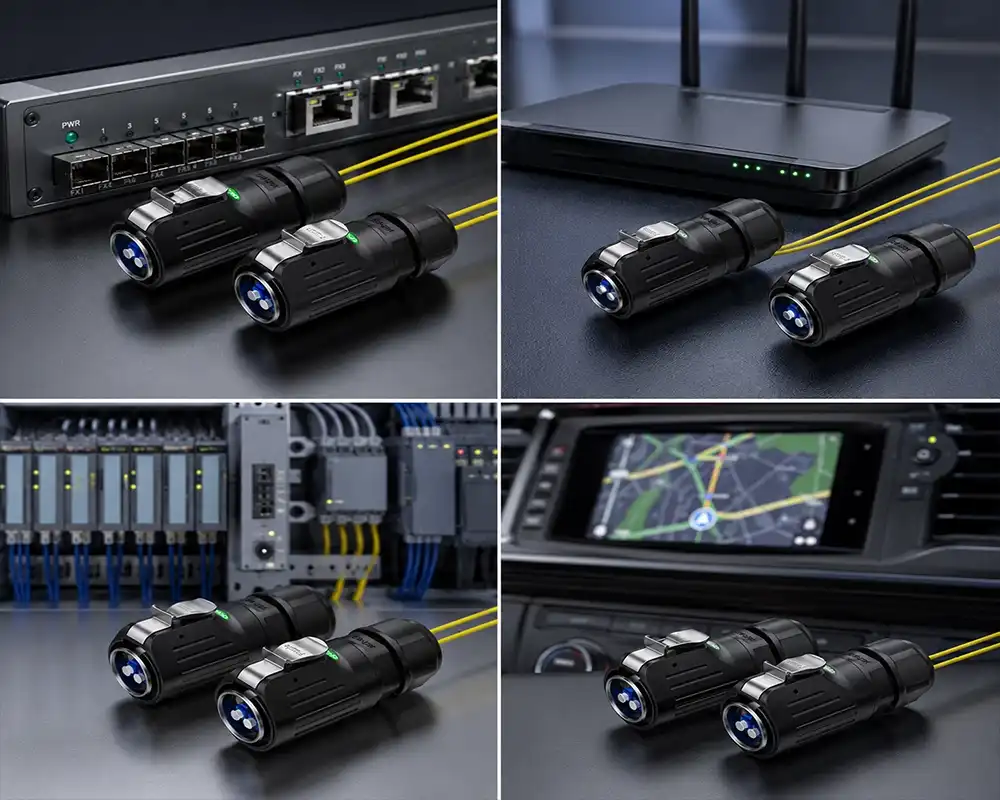
When fiber optic links go through equipment cases that are open to weather, dust, water, or extreme temperatures, choose waterproof panel-mount connectors. For outdoor security cameras, solar inverters, transportation infrastructure, and industrial automation equipment that works in dry places, this level of protection is needed. Reliable sealed links are especially helpful for energy storage systems because communication problems can lead to costly safety shutdowns or the loss of grid services that bring in money.
Standard connections can still be used indoors in controlled settings like server rooms, telecommunications central offices, and network closets inside buildings where environmental safety is not needed. Using over-specified connections in safe places loses money and doesn't make them more reliable.
Environmental Assessment Methodology
Conditions at construction places should be looked at, such as high temperatures, humidity, dust exposure, possible water contact, and vibration or shock loads. Installations outside need IP-rated security by default, but many industrial settings inside can be just as difficult. Food processing plants, chemical plants, and manufacturing facilities with washdown procedures all create dangerous conditions that need sealed ports, even though they are inside.
The LP24 works great for installations near the coast because its construction resists salt spray, which destroys regular connectors in just a few months. This marine-grade safety is good for offshore wind farms, marina tracking systems, and aquaculture sites.
Investment Protection Through Proper Specification
It is much cheaper to specify the right connections when the building is first being built than to fix setups that didn't work. When standard connections are used in harsh settings that aren't meant for them, communication systems keep breaking down, which is expensive to fix and hurts the company's image. The LP24's higher starting cost is almost nothing when spread out over the lifecycle of a multi-year project, especially when failure costs are taken into account and the service life is increased.
Conclusion
Whether you choose standard fiber optic options or LP24 Fiber Optic waterproof connectors depends on how they will be used and how reliable you need them to be. The LP24 waterproof panel-mount connector works well in harsh environments and is designed to last thanks to its IP67/IP68 sealing, extended temperature operation, and strong mechanical design. Standard SC, LC, and ST plugs work great and are less expensive for indoor use, but outdoor infrastructure needs custom solutions. When purchasing managers look at the total cost of ownership, they see that upfront cost premiums go away when reliability stops costly field failures and maintenance calls. The LP24 has been used in sun monitoring systems, energy storage facilities, and industrial automation networks, which shows that it is a good choice for mission-critical outdoor fiber optic setups that need to last for decades.
FAQ
What lifespan can I expect from waterproof fiber panel connectors?
Under normal conditions, the LP24 adapter can be used more than 500 times before it stops working. Field experience shows that connections should work reliably for ten to fifteen years in permanent installations where they are not moved. This depends on how harsh the environment is and how well the connections are maintained. Cleaning the exposed ends of fibers during regular maintenance keeps them in good shape and extends their useful life.
Are waterproof connectors compatible with existing single-mode and multimode infrastructure?
The internal LC duplex link works with both single-mode (OS2) and multimode (OM3, OM4) fiber systems without any problems. The waterproof housing protects against the elements, and the optical link inside meets standard practices in the business. Standard LC patch cords can be connected to either side of the panel-mount connector, so it works with current fiber networks without the need for any special patch connections or adapters.
How does performance hold up during sustained temperature extremes?
Testing has shown that it works reliably from -40°F to +105°F, so it can be used in cold places like the Arctic and hot places like the desert in the summer. The material used for the housing doesn't break down at low temps or soften at high temperatures. It stays structurally sound throughout this temperature range. Precision mechanical design allows for thermal expansion and contraction without causing misalignment between fiber cores, which would raise insertion loss. This keeps optical performance stable.
Partner with Cablein for Reliable Waterproof Fiber Solutions
Cablein Technology is an expert at making industrial waterproof links that work in tough situations where regular solutions don't work. As a supplier of LP24 Fiber Optic Waterproof Connectors, we can make custom panel cutout sizes, use special housing materials, and offer flexible delivery times that fit your project's schedule. We offer enterprise-level dependability for solar power communication systems, energy storage infrastructure, and industrial automation networks. Our testing protocols are thorough and we are certified by TUV and CE. Our engineering team helps with technical issues all the way through the buying process, from the initial specifications to helping with installation. You can talk about your waterproof fiber optic connection needs, get detailed datasheets, or get quotes that are specific to your project by emailing nick@cableinco.com. Cablein's proven solutions can protect your important fiber optic infrastructure investments. Visit connectorswaterproof.com to see our full line of products and learn more about how they work.
References
1. International Electrotechnical Commission. "IEC 60068-2-6: Environmental testing - Part 2-6: Tests - Test Fc: Vibration (sinusoidal)." Geneva: IEC Standards, 2017.
2. Telecommunications Industry Association. "TIA-568-C.3: Optical Fiber Cabling Components Standard." Arlington: TIA Publications, 2016.
3. Underwriters Laboratories. "UL94: Standard for Safety of Flammability of Plastic Materials for Parts in Devices and Appliances." Northbrook: UL Standards & Engagement, 2018.
4. International Organization for Standardization. "ISO 9001:2015: Quality management systems — Requirements." Geneva: ISO Central Secretariat, 2015.
5. European Committee for Electrotechnical Standardization. "EN 61984: Connectors - Safety requirements and tests." Brussels: CENELEC, 2019.
6. Miller, S. E., and Chynoweth, A. G. "Optical Fiber Telecommunications: Physical Layer Performance and Environmental Factors." Journal of Industrial Fiber Optic Systems, Vol. 34, No. 2, pp. 112-145, 2020.