M12 Connector Selection Guide: In-Depth Analysis and Applications of SMD, Assembly, Panel, and Molded Types
Choosing among SMD, assembly, panel, and molded M12 connectors comes down to where the connector sits and how it is installed. SMD types suit PCB-mounted devices, assembly types suit field termination, panel types seal enclosure walls, and molded types deliver sealed cable runs. A reliable m12 quick lock waterproof connector matches the right construction with a verified IP rating, correct coding, a suitable pin count, and complete documentation. In this guide, I explain each type, the specifications worth checking, and the steps I recommend before a bulk order, so your engineering and purchasing teams can decide with confidence.
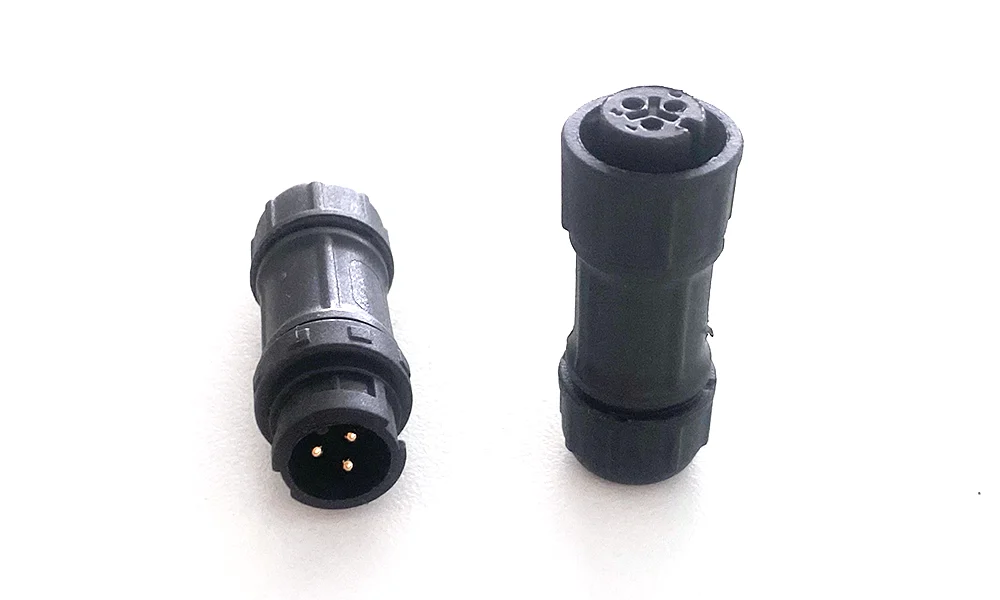
What an M12 Quick-Lock Waterproof Connector Is and How It Works
What Is an M12 Quick-Lock Waterproof Connector?
You can use an M12 quick-lock waterproof connector in robotics, control systems, sensors, and actuators. It is a small, round connector. The common interface has a 12 mm thread size, which is what "M12" stands for. Fast coupling takes the place of several screw turns in quick-lock models. When technicians need to connect a lot of things to one machine, this saves time. There are also types called "push-lock" and "snap-lock," but these words can mean different things, so I always look at how they work instead of the name. How well the connection works depends on the connector, the cable, the mating interface, the seals, and how it was put together. If one of them has a weak link, it can lose its high rank.
How the Locking Mechanism and Seals Work
The plug and receptacle's keyways need to be lined up before they can be added. Then you connect the two parts and turn on the locking device until you can see or feel that it works. Seals, O-rings, gaskets, and molded wire changes keep dust and water out. IEC 60529 says that if the rating is IP67, it means that the enclosure is dust-tight and can handle being submerged in water for a short time. On the inside, contacts send data, power, sensor signals, or control functions. Plates and the pressure on the contacts help keep the signals steady. I also check the housing's ability to hold the joint in place, stop wires from pulling out, relieve stress, and work well when the machine is moving. The connection body is not the only thing that has these parts.
Pin Configuration and Wiring Basics
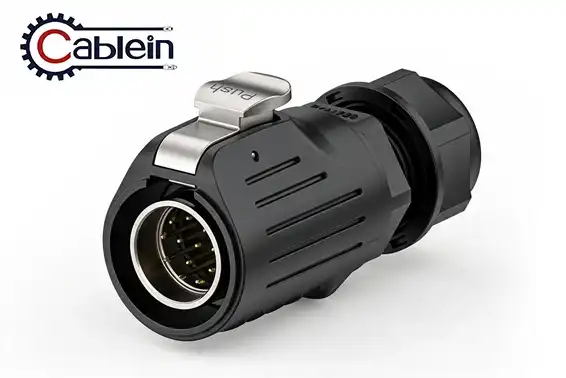
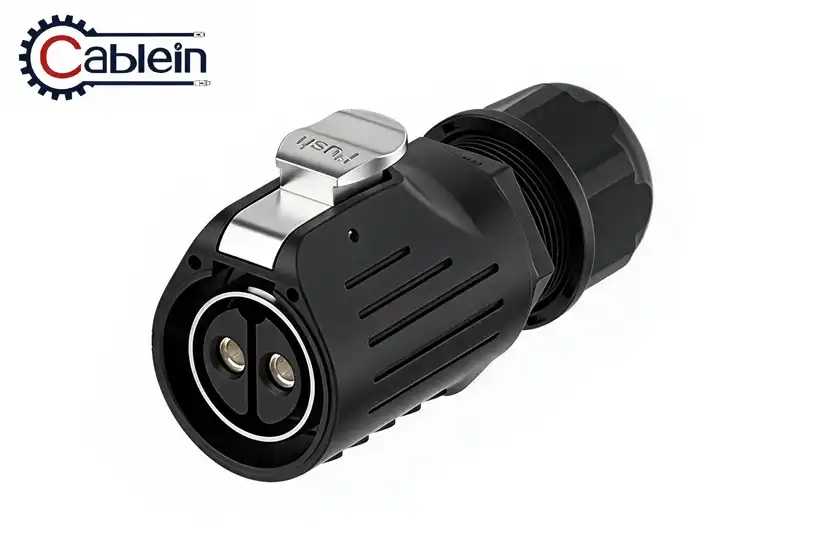
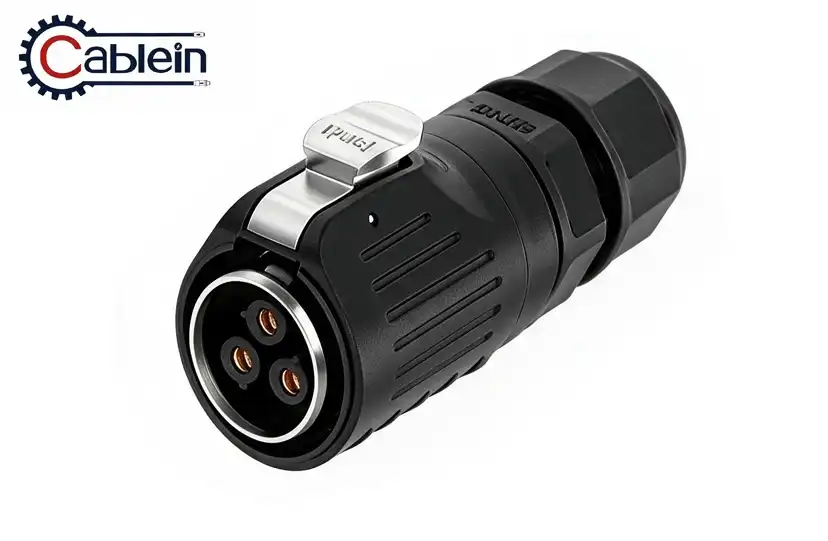
Most M12 connectors have three, four, five, or eight contacts. Cables that aren't supposed to be together can't connect because of coding systems. IEC 61076-2-101 is the rule that talks about M12 circles. The three-pin versions are most often used with simple power or sensor circuits, while the four-pin versions can handle signals for everyday robotic work. The final wiring diagram should have the pin numbers, the colors of the wires, and the connections for power, signal, and return. It should also show which way to look at it. For this reason, I tell the engineers to read the instructions first, since every manufacturer has their own color scheme.
M12 Connector Types: SMD, Assembly, Panel, and Molded Designs
SMD M12 Connectors for PCB-Integrated Devices
SMD versions fit right on a PCB, which makes the device small and lets it be assembled automatically. The socket is at the board's edge, and the device case seals the outside. This makes them work with sensor heads and small modules. I pay close attention to how well the solder joint is supported, how well the housing fits, and how much force is used when mating. This is because the board is what holds the housing together. Talk to your provider about the pad layout drawing and reflow needs before you make a choice. The best way to use placement tools is for mass production because they can handle SMD parts the same way they handle other parts.
Assembly (Field-Wireable) Connectors
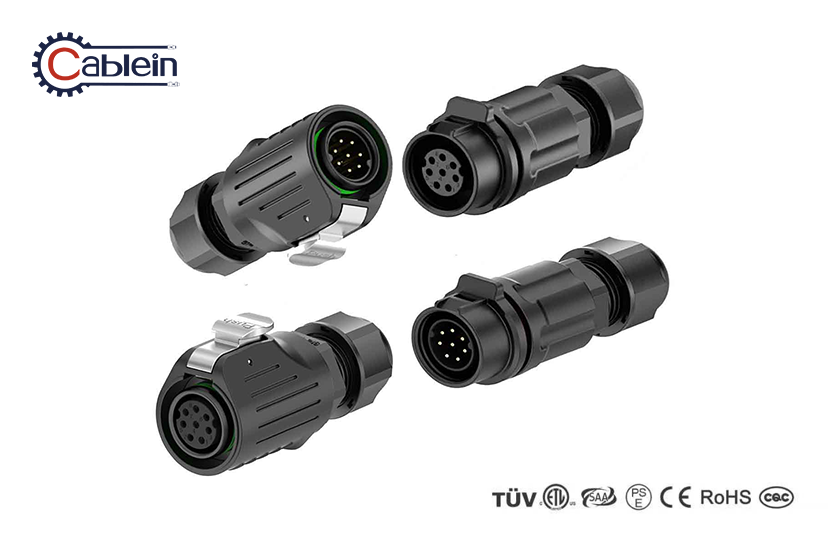
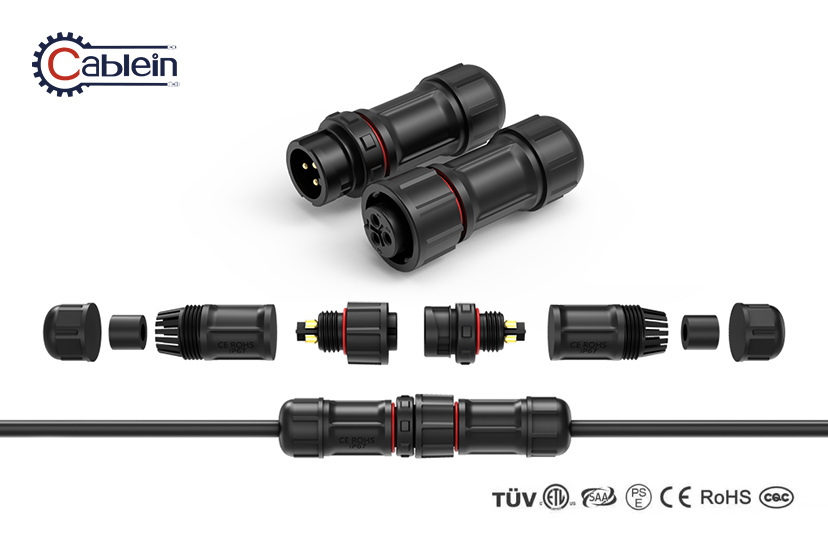
Field-wireable assembly reliable m12 quick lock waterproof connectors let you cut the cable right where it's needed. This makes them great for short runs, fixes, and making custom lengths. As long as the person has the right tools, they can cut the cable to the right length and wire it up just like the picture shows. Good seals and strain relief depend on how well the wires are stripped, terminated, and tightened. The trade-off is bad workmanship. So, I think you should write up a short set of steps for your team on how to connect the wires and make sure each one is properly protected and connected to the others. This is a better way to connect for service kits and small batches than for big builds that are done over and over again.
Panel-Mount Connectors for Machine Housings
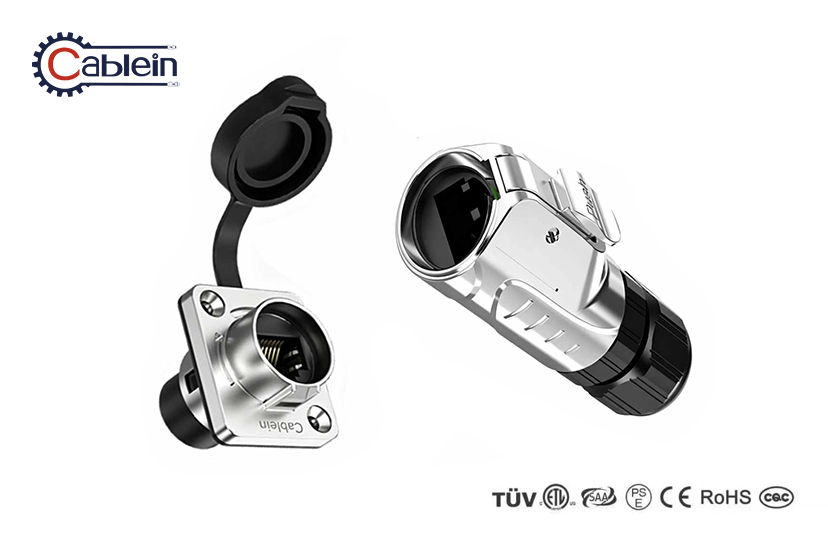
Panel-mount plugs connect everything through the wall of a machine or control box. They make service easier because you don't have to open the case to disconnect the cables. What makes the seal different are the wall's width, the panel cutout's size, where the gasket sits, and how tight it is. If these things aren't taken into account during installation, an IP67 marking won't help. For sure, look over the cutout drawing with the source and test a piece in the real box. Cablein has waterproof connectors with ratings of IP67 and IP68 that are round and panel-mount. Our staff can talk to you about the specifics of your enclosure before you choose a style.
Molded Cable Assemblies for Sealed, Repeatable Runs
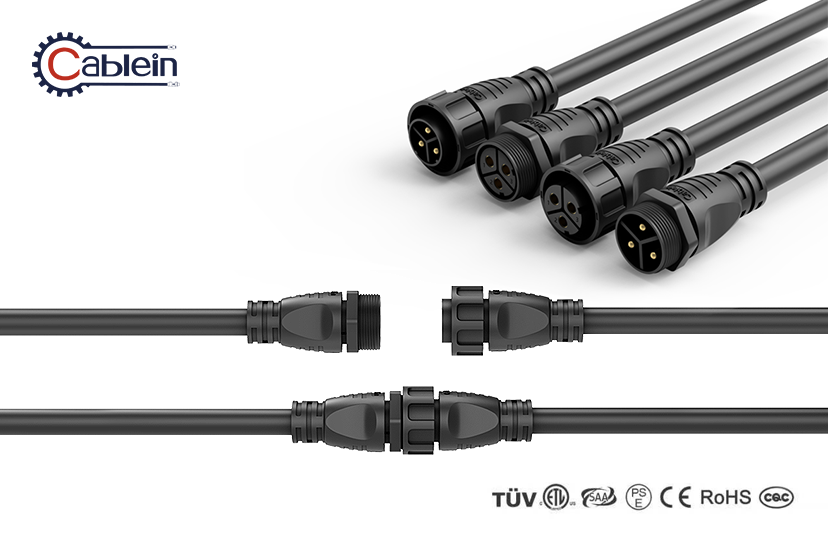
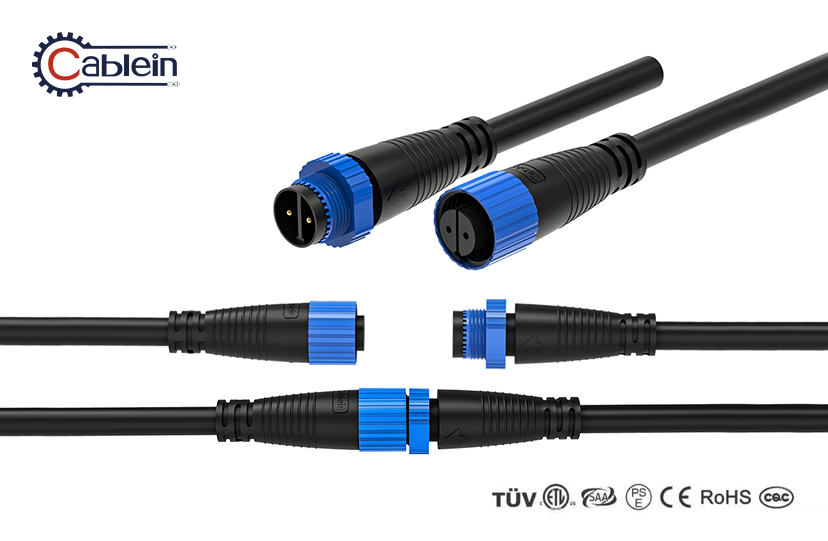
When you use a molded cable system, the strain relief, link, and wire are all on top of each other. Because of how it's made, the seal and electrical performance are always the same. All the installer has to do is plug it in. That works for places where a lot of the same cables need to go in quickly, like sensor networks, robot arms, and conveyors. Often, the length of the wire, the orientation of the connections, shield termination, and opposite-end termination are all custom choices. Molded units can't be fixed on the job site, so I recommend that lines that can't stop order extra parts. If you need a wire connection for automation equipment that is made just for your machine, you can ask Cablein for a certain length and ending.
Specifications, Lock Styles, and Selection Criteria
Technical Specifications That Define a Reliable M12 Quick-Lock Waterproof Connector
An IP rating does not describe quality by itself. I compare them because the maker decides how deep and how long the IP68 tests go. Next are the use and storage temperatures, the voltage, the current, the dielectric strength, the contact resistance, and the insulator resistance. The wire can only bend so much before it breaks. It is possible to test and measure connectors with IEC 60512-1. What you pick out should be strong enough to stand up to oil, chemicals, UV light, washing, shaking, and changes in temperature. For rust, you should hear back from someone who has done a salt spray test. An everyday test method is ASTM B117. You should also ask for quality certificates, inspection records with change control, drawings, and material statements. Look for RoHS or REACH documents.
Quick-Lock vs. Screw-Lock vs. Push-Lock
When you compare these styles, don't look at the marketing marks. Instead, look at how they work. Quick-lock methods make it faster to set up and fix equipment, especially when the equipment is tight or flexible. Screw-lock models are still a good choice when you need strong retention, to keep old hardware in place, or for standard threaded connections. Push-lock and snap-lock products engage in different ways, so check with the supplier for mating instructions and data on how long the product will last. For quick-lock designs, how they will hold up over time when they are vibrated is generally a worry. That's why I need test data on the exact part for retention and vibration before I approve it. Then I check how well the sealing contact, connector, and wire can handle shock, chemicals, water, UV light, and changes in temperature.
Choosing a Connector for Industrial Sensors and Avoiding Mistakes
First, you need to explain what it will be used for. This includes the type of sensor, the number of signals, the voltage, the current, the cable routing, the movement, the cleaning exposure, and where the installation will be put. Next, check the build, code, number of pins, locking method, IP rating, temperature range, wire material, insulation, and number of joining cycles. Faults in the field are often caused by mistakes made during the picking process, not by broken parts. An IP67 mark can't protect a connection that isn't properly mated, is broken, is near chemicals that aren't safe, or wasn't put through a panel correctly. Even if two reliable m12 quick lock waterproof connectors look the same, they might have different pin assignments or codes. When you only look at the unit price, labor, downtime, and extra work can add up to more money. A provider scorecard is used to make sure that the comparisons are fair. It has information about technical skill, quality, capacity, wait time, and support.
Procurement, Supplier Support, and the Final Checklist
Price, Customization, and Stock
The price depends on the type of construction, the number of pins, the code, the material of the case, the contact plating, the shielding, the type of wire and its length, testing, tooling, packing, and the number of orders. When you buy standard parts that are in stock, you usually save money and get them faster. Custom parts, on the other hand, can have signs, terminations, and lengths that are unique to each end. The quote process goes faster if the RFQ is clear. Include information like the number of items needed, where they should be delivered, a forecast, what paperwork and inspections are needed, and a target schedule. It's also a good idea to compare the MOQ, production capacity, safety stock, batch consistency, replacement policy, and export experience. Cablein always has more than 10,000 of each item in stock, and it can send them out in 7–10 days.
How a Qualified Manufacturer Supports Your Project
There's more that a good manufacturer does than just ship parts from a book. For example, engineers can help match interfaces, set up pins, pick wires, look over panel cuts, and make sure quick-locks work with each other. In quality programs, things like controlled assembly, continuity testing, waterproof testing, pull-force checks, eye inspections, and keeping track of lots should all be done. Cablein is a national high-tech company that began in Longgang, Shenzhen, in 2017. The building costs 6,000 rupees, and more than 200 people work there. Everything we make is checked against ISO9001:2015 to make sure it's waterproof and will last. We can also get CE, RoHS, REACH, TUV, ETL, PSE, SAA, and CQC certifications for our goods. We'll make sure the papers your lab needs are in the right set if you tell us what they are.
Final M12 Connector Selection Checklist
Before I sign off on a part, I look it over with three sets of checks. Each person risks something different.
- Construction and interface: Look at the code, the number of pins, the type of connection, how it locks, and the wiring layout. SMD is good for devices that are built into PCBs, assembly versions let you terminate in the field, panel-mount products make it easier to connect to enclosures, and molded kits seal well and are easy to install. Pick the type that works best for how your team sets it up and takes care of it.
- Environment and mechanics: When you look at the test data for the specific part, compare it to the IP rating, temperature range, electrical ratings, cable jacket, shielding, bend radius, and mating-cycle needs that are written down in the test data. Then, put the models through sealed, signal integrity, and shaking tests on real equipment to make sure they work well. Write down the results and the lot number so that you can compare them with results from other batches.
- Documents and commercial terms: Get approved drawings, proof of compliance, price, lead time, stock level, production capacity, inspection criteria, and terms for replacement. Make sure that the whole package is approved in writing before you send out a large order. These two groups can then share and use the same information for their work. Always keep a copy of the picture that has been accepted.
Conclusion
Before you can pick a reliable m12 quick lock waterproof connector, you need to make sure that the type of construction fits the use. For devices that are built into a PCB, SMD connectors work best. For field termination, assembly versions work best. Panel-mount connectors work best for enclosure walls. And for repeatable, sealed runs, molded cables work best. You need to look at the entire connection, not just the IP67 label, if you want a reliable M12 quick-lock waterproof connector. This includes the wire, the seals, and the way they fit together. Claims about things like contact resistance, insulation resistance, temperature range, mating cycles, and salt spray results should be backed up by documents and tests that were done in the real world. Styles that lock quickly make installation faster, while styles that lock with screws can be used for legacy or high-retention needs. There is less chance of compatibility problems when there are clear RFQs and seller checks on quality control, stock, and batch stability. This also makes it easier to buy from the same supplier over and over.
FAQ
1. Does IP67 mean the connector stays sealed in every condition?
Not at all. As per IEC 60529, IP67 means that the building is dust-tight and can withstand short-term immersion in certain test conditions. Results still depend on proper mating, seals that stay in place, and panel installation in the real world.
2. When should I choose screw-lock over quick-lock?
Choose screw-lock if you need to use old equipment, connections with threads, or a strong hold even when the system is shaking a lot. When time is of the essence, quick-lock works well for small spaces and modular machines. No matter what, make sure you get the supplier's care data.
3. What should I send with an RFQ?
Send the type of equipment, the environment where it will be used, the construction type, the number of pins, the code, the locking method, the IP target, the length and jacket of the cable, the shielding, the temperature range, the volume, and the date of delivery. Bring the plans and papers that your lab needs.
4. Can Cablein supply custom cable assemblies?
Yes. Making wiring harnesses for automation equipment and OEM/ODM items just the way you want them is something we can do. What length, direction, and end of wire do you need? Let us know, and we'll let you know what we can build.
Talk to Cablein About Your M12 Connector Project
Cablein is the place to go for reliable m12 quick lock waterproof connectors. Quality control is based on ISO9001:2015; we keep more than 10,000 of each item in stock, delivery takes 7–10 days; and we offer technical support 24 hours a day, 7 days a week. To learn more about our products, send an email to nick@cableinco.com with your plans and test needs.
References
1. IEC 60529: Degrees of Protection Provided by Enclosures (IP Code), 2013
2. IEC 61076-2-101: Connectors for Electronic Equipment, Circular Connectors, Detail Specification for M12 Connectors with Screw-Locking, 2012
3. IEC 60512-1: Connectors for Electronic Equipment, Tests and Measurements, General, 2018
4. ASTM B117: Standard Practice for Operating Salt Spray (Fog) Apparatus, 2019
5. Directive 2011/65/EU on the Restriction of Hazardous Substances (RoHS), European Parliament and Council, 2011
6. Regulation (EC) No 1907/2006 on Registration, Evaluation, Authorisation and Restriction of Chemicals (REACH), European Parliament and Council, 2006