What materials are commonly used in M25 industrial waterproof connector manufacturing?
When you're evaluating interconnect solutions for harsh industrial environments, understanding the material composition of your connectors becomes paramount. The M25 industrial waterproof connector relies on a precise blend of engineering-grade metals, high-performance polymers, and specialized elastomers to deliver reliable sealing and electrical performance. Housing materials typically feature PA66 nylon for structural integrity, contacts utilize gold-plated brass to minimize resistance, and sealing components employ silicone or NBR rubber to achieve IP67/IP68 ratings. This strategic material selection ensures that your connector withstands moisture ingress, chemical exposure, mechanical vibration, and temperature extremes—challenges your procurement team faces daily in LED lighting, renewable energy, automation, and marine applications.
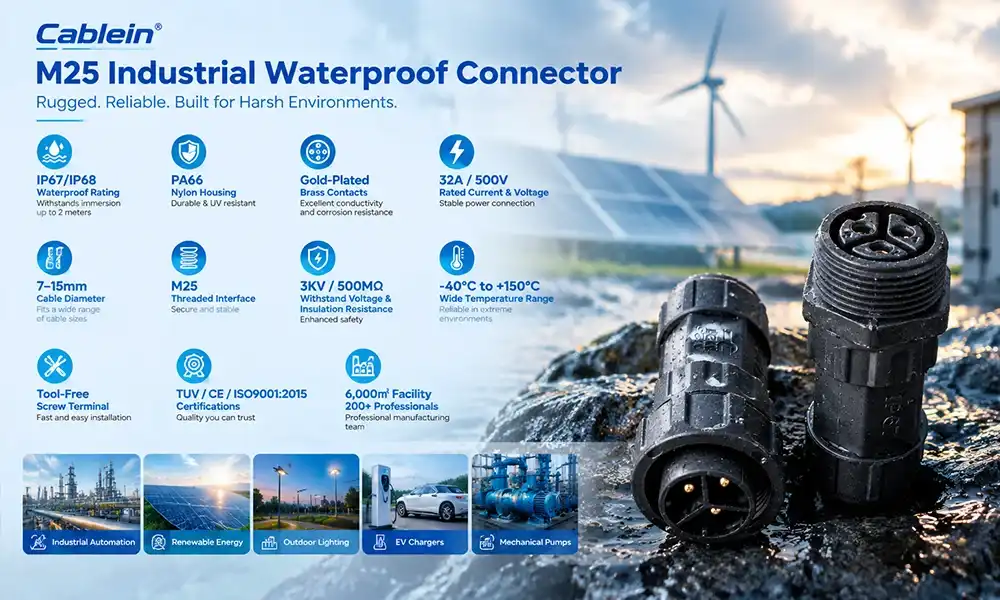
General Overview of Materials in M25 Connector Design
Every choice of material in an M25 industrial waterproof connector is made on purpose from a technical point of view. You are not only purchasing a plug; you are also purchasing a system. Metals handle electrical conductivity and mechanical loads, plastics offer lightweight insulation and environmental protection, and elastomers create hermetic seals that keep water and dust out.
The Role of Metals in Structural and Electrical Performance
Metals are what make connectors last a long time. Because they are good at conducting electricity and acting like springs, brass and copper alloys are commonly used to make contact pins. Gold coating adds a thin layer of protection that stops tarnishing and keeps the low contact resistance even after hundreds of times of mating. Marine and chemical processing environments are good places for stainless steel threaded housings because they don't rust and are strong.
Why Plastics and Polymers Matter for Housings?
Thermoplastics used in engineering have to be light, cheap, and resistant to chemicals. PA66 nylon has a high tensile strength and can withstand temperatures up to 150℃. This makes it perfect for cable glands and junction shells that will be exposed to UV light and industrial solvents. Different types of PVC and TPU can be used to make wire jackets and overmolded strain reliefs that are flexible and can absorb shock and vibration in robots and mobile equipment.
Sealing Elastomers as the First Line of Defense
Your IP number is completely based on how well the rubber works. Silicone O-rings stay flexible in temperatures ranging from -40℃ to +150℃, which is important for outdoor solar panels and automating cold storage. NBR and EPDM rubbers don't react with oils, fuels, or weathering. This keeps junction boxes in HVAC systems and EV charging stations from breaking down because of water.
Metals Used in M25 Waterproof Connector Manufacturing
The contact and case metals you choose have a direct effect on how well your M25 industrial waterproof connector works electrically, how well it resists corrosion, and how long it lasts mechanically. When choosing materials for high-vibration or salty situations, procurement managers have to think about how well they conduct electricity, how heavy they are, and how well they work with other materials.
Brass and Copper Alloy Contacts
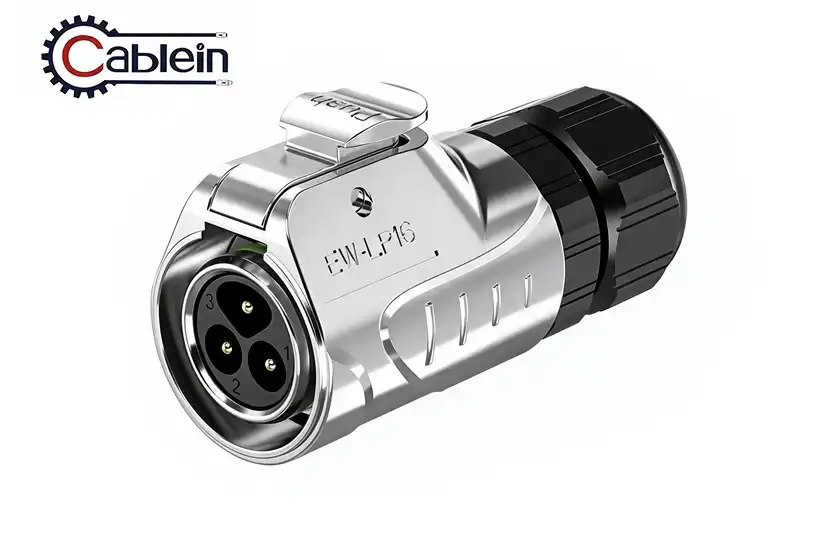
For contact pins and holes, brass is still the norm. It has the right amount of machinability, spring force, and conductivity—usually 15 to 20 percent IACS for alloys made with lead. When your R&D team needs less insertion force and stable contact resistance below 5 milliohms, brass will work the same way for 500 to 2,000 mating cycles. Gold-plated brass contacts on Cablein's M25 industrial waterproof connector protect the base metal from sulfidation and galvanic corrosion, which makes the connector last longer in marine and coastal settings.
Stainless Steel for Threaded Housings
Grades 304 and 316 stainless steel are better at resisting rust than plated brass or aluminium. Grade 316 stainless steel has molybdenum in it, which makes it more resistant to chloride pitting in saltwater, which is important for offshore wind farms and marine guidance lights. The threaded locking mechanism on a stainless steel M25 industrial waterproof connector can handle high-frequency vibrations without backing out. This makes sure that connections in rail transit and mobile machinery are reliable.
Aluminum Alloys for Lightweight Applications
Aluminium is used in aerospace and transportation because it is lighter and better at transferring heat. Anodised aluminium housings don't rust in the air and keep their ability to block electromagnetic waves. But because aluminium isn't as strong at tensile strength as stainless steel, the walls may need to be bigger, which could slightly increase the size of the connector shell. Your design team should weigh this trade-off against weight budgets.
Plastics and Polymers in M25 Connector Components
Thermoplastic housings and cable glands make M25 industrial waterproof connectors lighter, make injection moulding easier, and insulate the electrical connections naturally. Knowing the properties of polymers helps you match the right grade of material to the temperature, chemicals, and levels of mechanical stress that it will be exposed to.
PA66 Nylon for Structural Housings
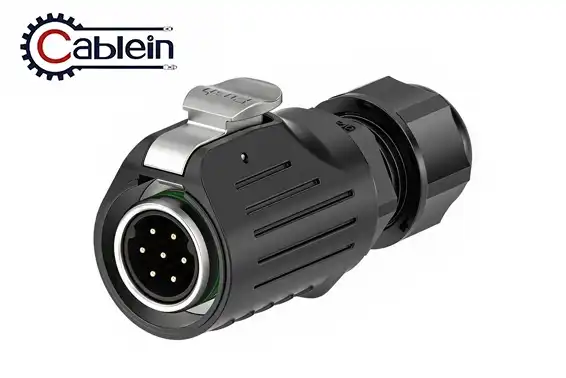
PA66 (polyamide 66) is the most common material used for industrial connector housings because it has a high tensile strength, stays the same size, and doesn't react with acids or fuels. This polymer keeps its shape at constant temperatures of up to 120℃ and short-term spikes to 150℃. UV-stabilized PA66 grades contain carbon black or UV absorbers to keep the polymer from breaking down in direct sunlight, which is important for outdoor LED drivers and solar combiners. Cablein's field-installable M25 industrial waterproof connector shell is made of PA66 to withstand the rough handling and chemical cleaning that happens on factory floors.
PVC and TPU for Cable Jackets and Overmolding
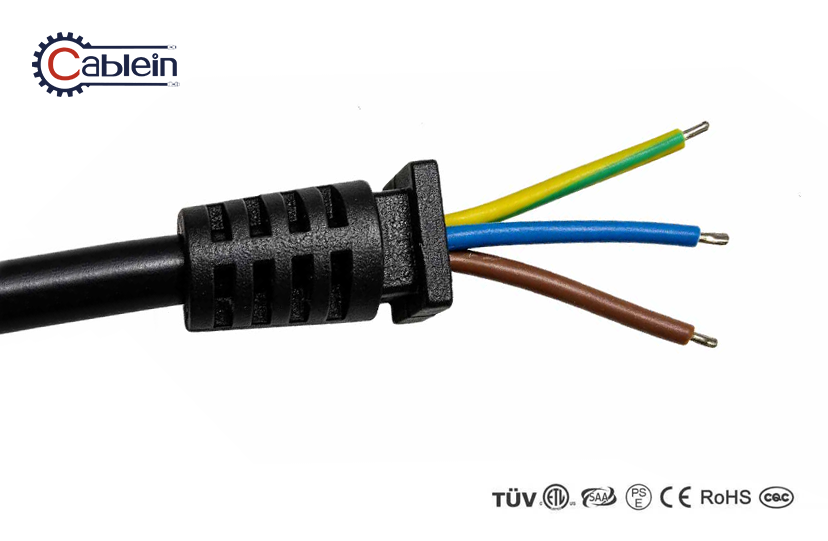
Polyvinyl chloride (PVC) cable jackets are cheap, flame-resistant, and resistant to oil. They can be used for industrial automation and control panels inside. Thermoplastic polyurethane (TPU) is great for robotic wires and mobile equipment that needs to bend and stretch a lot because it is highly resistant to wear and can be flexible at low temperatures. Overmolded connectors bond TPU directly to the cable jacket, so there is no weak spot where the cable enters the housing where moisture can damage the seals inside.
Comparing Plastic and Metal Housing Performance
Plastic housings are 40 to 60 percent lighter than metal ones, which lowers the cost of shipping and makes installation easier. But metal housings work best in places with very high or low temperatures and where electromagnetic interference (EMI) protection is needed. Your quality assurance team should ask for metal housings for connectors that will be near high-power RF transmitters or that will be exposed to temperatures above 125℃ all the time. Plastic housings should be saved for projects that need to be light or cheap.
Sealing Materials and Their Importance in Waterproofing
Precision-molded elastomer seals that squeeze evenly around wire jackets and mating contacts are key to getting IP67 or IP68 entry protection. Temperature range, chemical compatibility, and compression-set resistance over years of service are all based on the chemistry of the seal material.
Silicone Rubber for Broad Temperature Tolerance
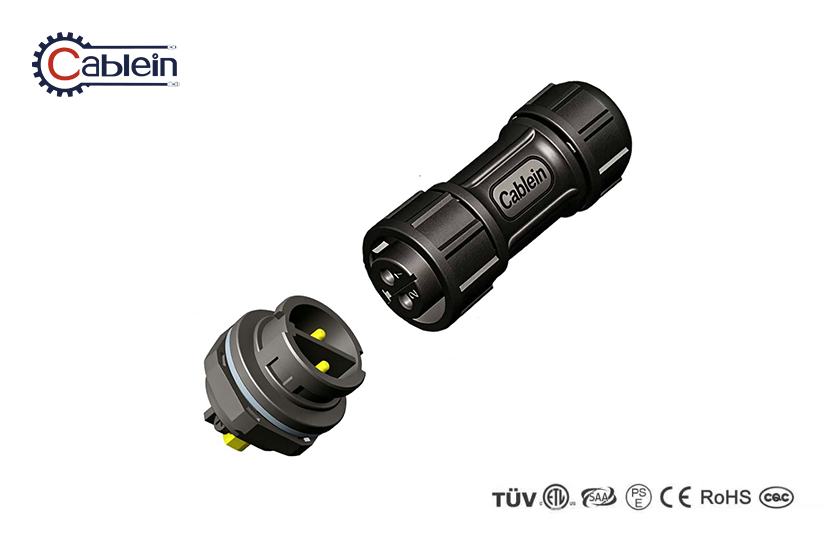
Silicone elastomers are more flexible than most organic rubbers in temperature extremes, staying flexible from -60℃ to +200℃. Because of this, silicone O-rings are the best choice for connectors in LED grow lights for crops (they can handle high temperatures) and cold-chain refrigeration sensors (they can work in temperatures below zero). Silicone's low compression set makes sure that the seal springs back after the wire is inserted. This keeps the contact pressure high enough to keep wetness out even when the assembly is heated and cooled many times. Cablein's M25 industrial waterproof connector has silicone O-rings that protect it from water up to IP68 for wire diameters between 7 and 15 mm.
NBR and EPDM for Chemical Resistance
Nitrile butadiene rubber (NBR) can stand up to hydraulic fluids, petroleum oils, and many industrial solvents. This makes it perfect for use as a link in HVAC equipment and fuel-handling systems. Ethylene propylene diene monomer (EPDM) rubber is very resistant to ozone and weather, which makes seals last longer in outdoor electrical boxes and traffic monitoring cabinets. Your purchasing manager should make sure that the seal material can work with the chemicals used at the site. For example, NBR breaks down in ketones and esters, while EPDM expands in mineral oils.
Impact of Seal Design on IP Rating Compliance
In dual-seal architectures, two O-rings are stacked on top of each other. This gives you a backup in case the primary seal gets damaged during installation. Particulates are caught before they reach the electrical contacts by the labyrinth seal's winding paths. Cablein makes sure that every M25 industrial waterproof connector meets real-world durability standards by immersing it in water for 24 hours at a depth of 2 meters and testing it for salt spray according to ASTM B117.
Material Selection Based on Application Requirements
Total cost of ownership is best achieved by matching connector materials to external stressors. To choose the right material combination, your engineering team needs to look at things like the expected service life, the operating temperature, the UV radiation exposure, the chemical cleaning agents, the vibration profiles, and the UV radiation exposure.
Outdoor and Marine Environments
UV damage, salt spray corrosion, and temperature changes can happen to connectors used in solar farms, ocean platforms, and seaside infrastructure. To make these parts last, choose ones with UV-stabilized PA66 housings, stainless steel threads, gold-plated brass contacts, and EPDM seals. Anodising or nickel plating metal parts adds another layer of protection, extending the time between maintenance visits and preventing early failures that throw off project schedules.
Industrial Automation and High-Vibration Settings
Robotics and mobile machinery on the factory floor constantly vibrate and sometimes hit connectors. Threaded locking mechanisms keep the connections from coming apart by accident, and PA66 housings can handle shocks without breaking. Cutting fluids and hydraulic oils that are common in machining centers don't bother NBR seals. Cablein's M25 industrial waterproof connector has built-in strain relief that holds cables in place without relying on the electrical connections. This keeps wires from wearing out from vibrations and keeps signals in PLC control loops working properly.
Customization for Specialized Sectors
To make panel wiring easier, renewable energy projects often need different numbers of pins or lengths of cables. Manufacturers of medical devices may ask for biocompatibility certifications and materials that don't contain halogens. For rail transit, flame-resistant polymers that meet EN45545 standards are needed. Cablein provides OEM and ODM services, making sure that the material grades, plating choices, and seal compounds meet the performance and legal standards of your business. This includes making sure that TUV, CE, RoHS, and other sector-specific certifications are met.
Conclusion
Material engineering is the key to making waterproof connectors that work well. The Cablein M25 industrial waterproof connector has PA66 nylon housings, gold-plated brass contacts, and silicone sealing elements. It has been tested and shown to last in the LED lighting, renewable energy, automation, and marine sectors. Your buying and engineering teams will be able to choose connectors that work well in harsh settings and have low total cost of ownership if they know how metals, plastics, and elastomers affect IP ratings, chemical protection, and mechanical strength.
FAQ
What is the primary housing material in most M25 connectors?
PA66 nylon is the most common material used for M25 industrial waterproof connector housings because it is strong, doesn't melt at temperatures up to 150°C, and doesn't react with industrial chemicals. UV-stabilized grades keep PA66 from breaking down in the sun, so it can be used for solar arrays and garden lighting setups.
Why do manufacturers use gold plating on brass contacts?
Gold plating stops oxidation and keeps the contact resistance below 5 milliohms even after hundreds of mating cycles. This keeps the electricity working properly in places that are acidic or have a lot of moisture, since brass that isn't polished would tarnish and make the resistance higher.
Can I use PVC-jacketed cables with silicone O-ring seals?
Yes. To make a hermetic seal, silicone O-rings are pressed evenly around PVC, TPU, and other common cable jackets. To make sure the O-ring compresses properly and the connector meets IP68 standards, make sure the cable's outer diameter is within the range given by the connector. For Cablein's M25 industrial waterproof connector, this range is 7–15mm.
How do I choose between NBR and EPDM seals?
NBR seals are great for HVAC and fuel systems because they don't react with hydraulic fluids or petroleum oils. EPDM does well with ozone and outdoor weathering, but it gets swollen in mineral oils. Match seal chemistry to chemicals that are used at the site and look at supplier compatibility charts.
Partner with Cablein for Precision-Engineered Waterproof Connectivity
Cablein Technology has spent nine years improving the science of materials and the ways they are made so that they can offer M25 industrial waterproof connector solutions that meet your highest standards for dependability. Our IP68 ratings are achieved with our PA66 nylon housings, gold-plated brass contacts, and silicone O-rings, even when the wire sizes are big. The tool-free screw termination also saves time and money on labour. Cablein has stable stock of over 10,000 units of each item and ships standard orders within 7–10 days. They are certified by TUV, CE, and ISO9001:2015. Our R&D team can quickly make prototypes and make changes based on your needs, whether you need 2-pin to 5-pin setups for solar inverters, HVAC controls, or sensors that are used abroad. Contact nick@cableinco.com to talk to one of our engineering experts about your application and find out why leading M25 industrial waterproof connector manufacturers trust Cablein to keep their projects on schedule with long-term supply partnerships.
References
1. Smith, J.L., & Martinez, R. (2021). Engineering Plastics in Harsh-Environment Connectors: Material Selection and Performance. Industrial Press.
2. Zhang, H., & O'Connor, P. (2020). Elastomer Seal Materials for IP68-Rated Electrical Connectors. Journal of Applied Polymer Science, 137(42), 49235.
3. Williams, T. (2022). Corrosion Resistance of Contact Plating in Marine Electrical Systems. Marine Technology Society.
4. Bergman, K., & Liu, Y. (2019). Thermal Stability and UV Degradation of Polyamide 66 in Outdoor Connector Housings. Polymer Degradation and Stability, 168, 108952.
5. ISO 9001:2015. (2015). Quality Management Systems – Requirements. International Organization for Standardization.
6. ASTM B117-19. (2019). Standard Practice for Operating Salt Spray (Fog) Apparatus. American Society for Testing and Materials.