A Guide to Selecting and Using Panel Mount Waterproof Connectors: IP68 Protection Unlocks New Possibilities for Industrial and Outdoor Wiring
A panel mount waterproof connector gives a control panel, cabinet, or outdoor device a sealed, detachable port for power or signal cables. To select one, match its IP rating, electrical load, material, and panel cutout to your real operating conditions. IP68 protection lets equipment stay wired in wet, dusty, or submerged settings, but the rating holds only when the connector is installed and mated correctly. In this guide, I explain how these connectors work, how IP65, IP67, and IP68 differ, and how to choose, wire, install, and source them with fewer surprises during sample fitting and small-batch builds.
What Is a Panel Mount Waterproof Connector and How Does It Work?
The Main Parts Inside the Connector
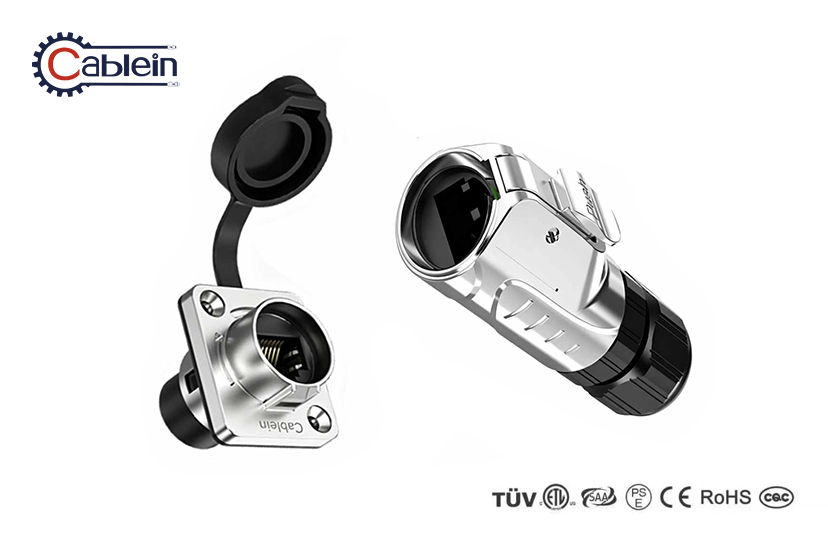
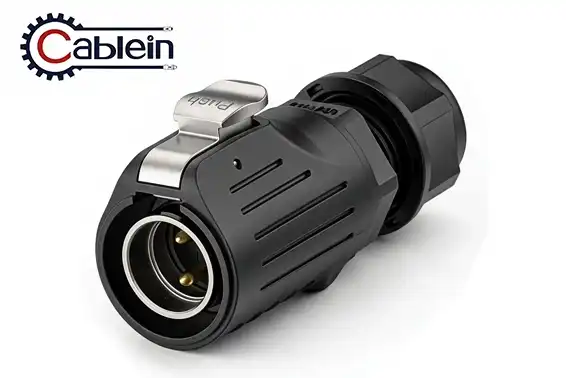
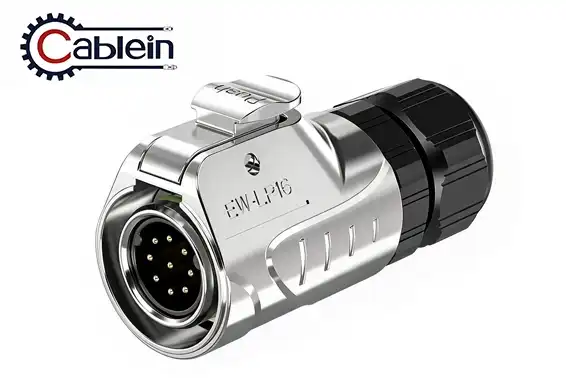
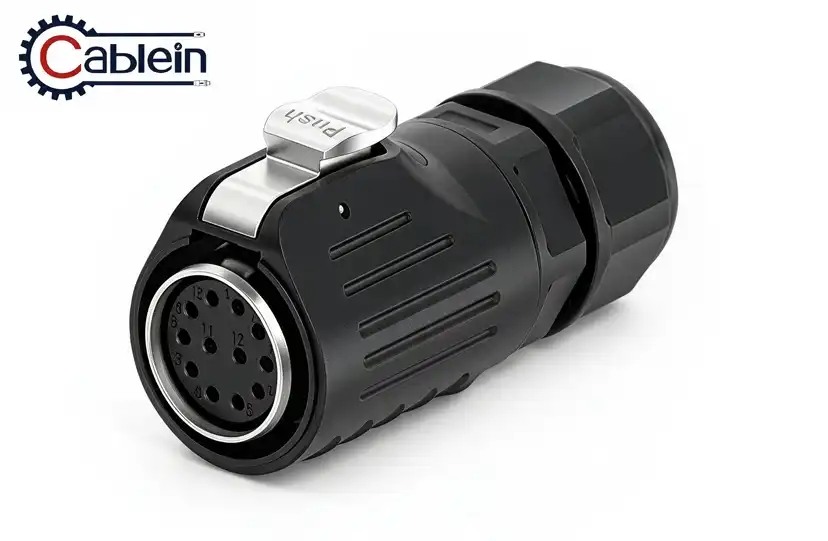
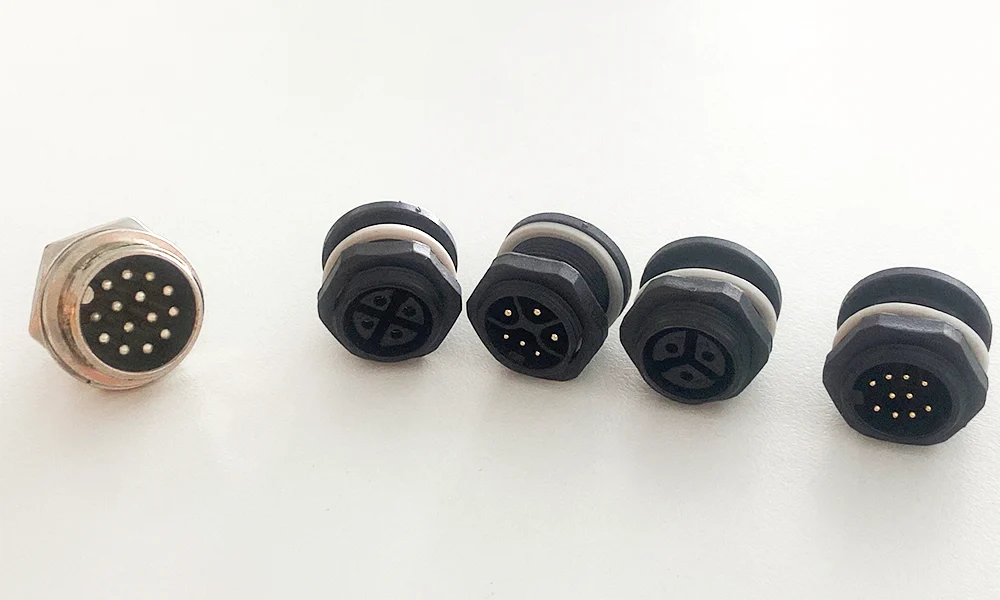
If you have a panel mount waterproof connector, it fits through a hole in the panel. This kind of link is also called a bulkhead or flange-mount connector. In the plug, there are metal connections inside an insulation insert. A pin, a point, or a push-lock can be used to lock it on. Seals and O-rings are used to keep the joints shut. A cable gland or potting compound is used for the back cable. A hinge or locking nut holds the body in place against the panel. Each part does its own thing, and there is a weak spot that lets water in. Anyway, I'm going to check out the whole thing instead of just the housing.
Where the Seals Work
The panel mate, the cable entry, and the panel interface are the three places water can get in. Press down on the panel seal so that it's even between the surface of the panel and the edge. The seal can get broken if you squeeze it too hard, and a leak can happen if you squeeze it too little. If you fully connect the plug and receptacle, the O-ring that holds them together will seal. For the rear gland to be able to grip the wire jacket, it needs to be able to close around it. What makes these three seals different is the size of the hole, how straight it is, and how hard it is pressed.
Typical Uses in Industrial and Outdoor Equipment
When you really look, you can see that these connectors are used on LED lights, automation machines, solar and energy storage systems, tools for electric vehicles (EVs), marine electronics, security cams, public transit, medical or test devices, and more. A lot of these fields use panel-mount waterproof connectors and custom cable assemblies that Cablein makes. For people who make control panels and cabinets, the main benefit is clear. It's still easy to get to the wires in the back, and the front panel is safe. Techs can do field service faster because they don't have to open the case to unplug an additional cable.
Understanding IP65, IP67, and IP68 Protection Ratings
What the Two Digits Mean
IEC 60529 gives us the IP number. The first number shows how well it keeps solids out, and the second number shows how well it keeps water out. If the first number is 6, it means it doesn't let dust in. If the number is 5, it means water jets. If it's 7, it means short immersion, and if it's 8, it means constant immersion. The standard says that the IPX7 test is at a depth of 1 meter for 30 minutes. When someone buys or sells something under IPX8, both parties must agree to stricter terms than those for IPX7. This means that two IP68 products might not have the same depth or time limits. For every test, I always ask what level it is and how long it is.
IP65, IP67, and IP68 at a Glance
The table below shows how each grade works in real life.
| Rating | Dust | Water protection | Typical fit |
|---|---|---|---|
| IP65 | Dust-tight | Water jets | Sheltered or washdown equipment |
| IP67 | Dust-tight | Temporary immersion (1 m, 30 min) | Heavy rain, flooding risk |
| IP68 | Dust-tight | Continuous immersion | Defined submersion duty |
Sort first with this table. Then make sure you know how to check your connection.
Why IP68 Is Not Always the Right Choice
It might sound like IP68 is the best choice, but it could add cost, size, and building steps that your app doesn't need. If the cabinet is under a roof and doesn't get wet very often, IP65 or IP67 may be enough. The rated part also has to be put together and mated, so a claim can be thrown out if the rear cable is not sealed or if the cavity is open. In the US, people can also find cabinets with NEMA 250 enclosures. You can't switch between IP codes and NEMA types because they test different things. I believe you should choose based on real exposure and then ask for proof.
How to Choose the Best Panel Mount Waterproof Connector for Outdoor Use
Match the Electrical Requirements
The first seven numbers show the voltage, current, number of circuits, type of data, and whether the circuit works with AC or DC power. You should find out how much power your wire size can handle and what the temperature is where it will be used. This is because contacts inside protected housings get hotter and might need to be turned off. Then look at the wiring and pin count. Make sure you know if you need two-pin power, three-pin power with ground, or power and signal mixed. When reading a pinout diagram, you should start from the side that is shown on the picture. A lot of the time, wiring mistakes happen on the first sample build because the diagram is turned around. You should ask for a datasheet that lists the max and min temperatures, as well as the current and voltage.
Select Materials for the Environment
Shades made of plastic or fabric don't rust and are lighter. Shades that are UV-stabilized are good for use outside. It is better to ground or shield against a metal wall if you use aluminum, zinc alloy, or stainless steel. ASTM B117 is a common way to check for salt spray. Ask to see if a metal shell or covering has been checked against this standard. What you use to seal is also important. A lot of people use NBR, but FKM is better for oils and higher temperatures.
Confirm Panel Cutout, Locking Style, and Torque
Fit is what panel builders use to figure out yield. Learn how to cut the metal before you start. This should show the tolerance, the panel thickness, and the hole width. It should also show any flat or key features. The cover isn't as strong when there aren't enough holes, and the body can't move when there aren't enough holes. For the nut to be tight, flats or keys that keep the body from turning must be in place. The suggested tightening force sets the O-ring's compression, so it's important to get it right. Next, choose a locking style, such as screw-lock, push-lock, or snap-lock, based on how often the parts will vibrate and meet. A 16 mm hole can fit a certain type of panel mount panel mount waterproof connector called a P16 style.
Wiring and Installing a Panel Mount Waterproof Connector
Plan the Wiring Schedule and Termination
Before you begin to strip any wires, make a wiring plan for the panel mount waterproof connector. Make a list of what each wire does, its pin number, orientation, wire size, and whether it needs to be heated or cooled. Next, pick how you want to connect the wires: by soldering, screwing, clipping, PCB, or using a line that is already wired. There are a number of wires that fit the contact and the right tool to crimp them. The crimp will be good after a pull test. Screw connections work best for field service, while solder is best for small builds that tend to shake. Pre-wired assemblies save time and work when making the same thing over and over. Make a note of the choice on the plan so that you and your service provider can build the same thing.
Follow a Clean Installation Sequence
Before you do anything else, check the closing bits, link, contacts, and gasket. Prepare the hole for the panel by smoothing out any bumps that are there. A burr can make a hole in the gasket or cut it. Clean the part that seals. Start by putting the gasket in place. Next, add the body and tighten the nut to the right torque. Prepare the link, cut the wires, and then press the contacts in until they lock. Put in some strain relief and use the gland to seal the back. Fill in the gaps with the sealing plugs that the maker gives you. Do not use any oil other than what the maker suggests. Next, fully connect the plug.
Test Before You Energize
Once everything is put together, check to see if the seal is tight, the contacts stay in place, and the device for closing works. Once you're done, turn each pin over and look for shorts between them. Test for insulation or dielectric if your process needs it. After that, you can apply power. A lot of places in the US are covered by the National Electrical Code (NFPA 70). For your product and place, make sure you know the listing codes and rules. So that field teams don't connect the wrong wires, make the connection stand out. Most of the time, a service call is needed to find a problem that is hidden in a room that is closed off. These checks only take minutes.
Connector vs. Cable Gland and Common Pitfalls
Connector or Cable Gland?
When a cable comes into an enclosure, a cable gland holds it in place and seals it. With a panel mount waterproof connector, you can add an interface that can be taken off and has contacts built in. If you need to separate tools often, have modular wiring, cords that can be taken off, or more than one line in a port, this is the type of connector you should use. If the cable already has internal terminals, pick the gland for permanent entry because it costs less and is easier to set up. This is where sensors, service ports, and cables that can be taken out go. For fixed power feeds, glands are used. Based on service needs, fixed time, and installation cost, the decision should be made.
Selection Mistakes That Cause Failures
When people choose IP68, they often don't think about the test depth, length, mating situation, or cable entry. Aside from not noticing current derating, people also use wires that are too far away from the contact range and believe that two different brands will work the same. Even if two connectors look the same, they might have different contacts, cutouts, or thread sizes. Rubber that isn't stable can melt in the sun, and metals that don't belong together can rust. There are holes in seals when they are too tight or too loose. That's why I first check the lines against a real sample. If the cutout tolerance is off, I have to throw away a lot of panels.
A Short Decision Guide
Now you know how to make the best choice for you. Choose IP65 if you want to keep your gear safe from sprays and washes. Choose IP67 if you think you might get wet for a short time, like when it floods or rains pools. If the gear needs to be submerged in water, choose IP68 and look at the datasheet to see how deep and for how long. After that, go back and look over the previous sections on the electrical, mechanical, and outdoor parts. Check out the business parts too, like the MOQ, lead time, and documents. They use a one-page checklist to make sure they all understand the same thing and don't have to do extra work during sampling.
Sourcing a Panel Mount Waterproof Connector from a Qualified Manufacturer
What to Request Before You Order
You should know about the material, how it was tested for IP, how many times it can be mated, its minimum order quantity (MOQ), its lead time, its price, and the terms of its guarantee for the panel mount waterproof connector. When you look at things online, don't just look at the pictures. Read the whole description and make a list of all the parts that come with the item. Talk about labels, overmolded wire systems, custom keying, packing, planned supplies, and keeping track of OEM programs. What kind of help a supplier gives during the first round of samples shows how well it will help with production.
Sample Fit and Small-Batch Support
Send samples to make sure they fit, confirm the cutout drawing, make a small batch, and then reorder based on when the next batch needs to be made. A lot of jobs for panel tools go in a straight line like this. Most of the time, this process takes one to two months. Fit problems show up during the practice stage. At Cablein, we offer OEM and ODM customization, private molds, and technical support 24 hours a day, seven days a week. This way, your engineer can quickly find out what he or she needs to know about torque, seal compression, or cutout tolerance. Email us a copy of your panel drawing before you cut a single hole. This way, we can compare it to the connector's dimensional drawing.
Why choose Cablein?
Formed in 2017, Cablein is based in Longgang, Shenzhen. Nearly 200 people work in our 6,000-㎡ plant, making unique wire systems and waterproof IP67 and IP68 circular and panel-mount connections. For each line of products, we offer certificates such as ETL, PSE, SAA, CQC, CE, RoHS, REACH, and TÜV. We follow ISO9001:2015. We test each one to make sure it works and is waterproof. We also have more than 30 utility model patents. We always have more than 10,000 of each item in stock, and we ship with UPS, DHL, FedEx, and freight forwarders. It takes 7–10 days to get there.
Conclusion
It's only possible for a panel mount waterproof connector to keep an electrical port safe if it's made of the right materials and has the right seals. The levels of security are set by the IP Code from IEC 60529. However, IP68 depends on a test depth and time that are agreed upon by both parties. Many times, IP65 or IP67 may be better, and they cost less. To make a good choice, you must first know the exact panel cutout, electrical load, pinout, material, and locking style. The grade stays good after installation as long as the unit is tested before it is turned on, the holes are sealed, and the wiring is kept clean. A connector is best for links with more than two pins that can be taken apart, while a cable gland is best for stable cable entry. When datasheets, drawings, and samples are clear, fit mistakes and extra work are less likely to happen.
FAQ
1. What is the difference between IP67 and IP68?
If you put something in water that is 1 meter deep and submerge it for 30 minutes, IP67 will protect it. IP68 can handle being submerged in water for as long as the maker says it can, so always check the time and depth.
2. Can I use these connectors outdoors?
Sure, as long as the grade, material, and UV protection are good enough for the spot. Heavy-duty metal or plastic shells that block UV rays are good for long-term use in the sun.
3. How do I confirm cable compatibility and pinout?
Compare the outside width of your cable to the gland's closing range and the wire's thickness to the gland's contact range. Read the pinout from the drawing's side.
4. Are samples available, and what do you need for a quote?
Please get in touch with us to talk about getting samples for your panel-mount waterproof connector. That way, you can get a quote. Please send the IP rating, number of pins, current, voltage, cable diameter, panel dimensions, material, locking style, quantity, certifications, and delivery location.
Request a Panel Mount Waterproof Connector Solution from Cablein
Send an email to nick@cableinco.com with your panel picture, IP target, number of pins, and pin count. After that, our team will give you a panel mount waterproof connector that fits, along with prices, plans, and samples. We are a company that sells waterproof panel-mount connectors that meet ISO9001:2015 quality standards. Items that are in stock can be delivered in 7–10 days. We can take care of items that are in stock, bulk orders, and OEM or ODM projects.
References
1. IEC 60529: Degrees of Protection Provided by Enclosures (IP Code), 2013
2. NEMA 250: Enclosures for Electrical Equipment (1000 Volts Maximum), 2020
3. IEC 61984: Connectors – Safety Requirements and Tests, 2008
4. IEC 61076-2-101: Connectors for Electrical and Electronic Equipment – M12 Connectors with Screw-Locking, 2012
5. NFPA 70: National Electrical Code, 2023
6. ASTM B117: Standard Practice for Operating Salt Spray (Fog) Apparatus, 2019