How to Choose the Right LP12 Cable-to-Cable Connector for Your Application
Selecting the appropriate LP12 cable to cable connector requires evaluating waterproof performance, pin configuration, temperature tolerance, and installation convenience against your specific environmental demands. These compact circular connectors combine IP67/IP68 protection with snap-lock mechanisms tested for over 2000 mating cycles, making them reliable for LED lighting, industrial automation, and outdoor electronics where signal integrity and moisture resistance determine system uptime.
Introduction
Strong connection options that can handle rough conditions without affecting electrical performance are needed for industrial projects. LP12 cable to cable connector solves these problems by providing waterproof inline connections in a 12mm footprint. This means that the connector doesn't need to be mounted on a panel and is still durable. If you know how to match connector standards with application requirements, you can avoid costly downtime and maintenance problems whether you're putting together outdoor lights, building control networks, or marine electronics. This guide goes over technical criteria, things to think about when buying, and tips for installing things so that engineers and supply chain managers can make smart choices that balance cost, reliability, and delivery times.
Understanding LP12 Cable-to-Cable Connectors: Basics and Technical Details
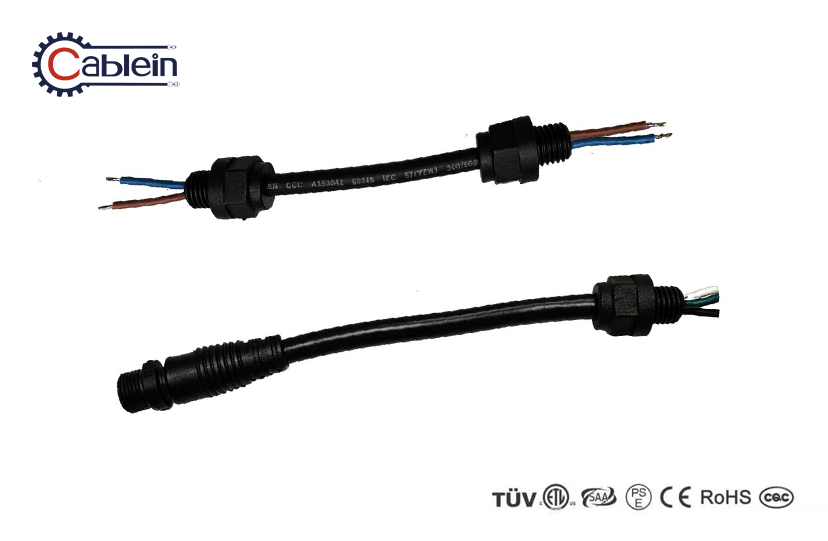
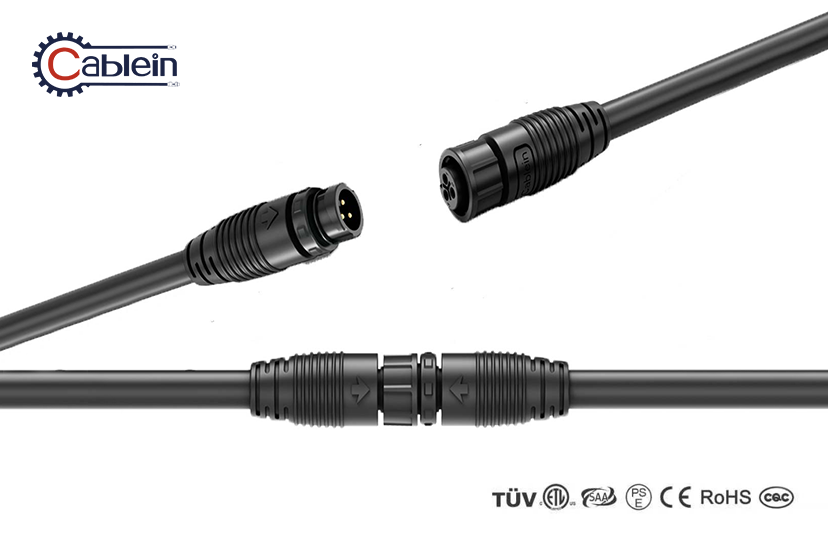
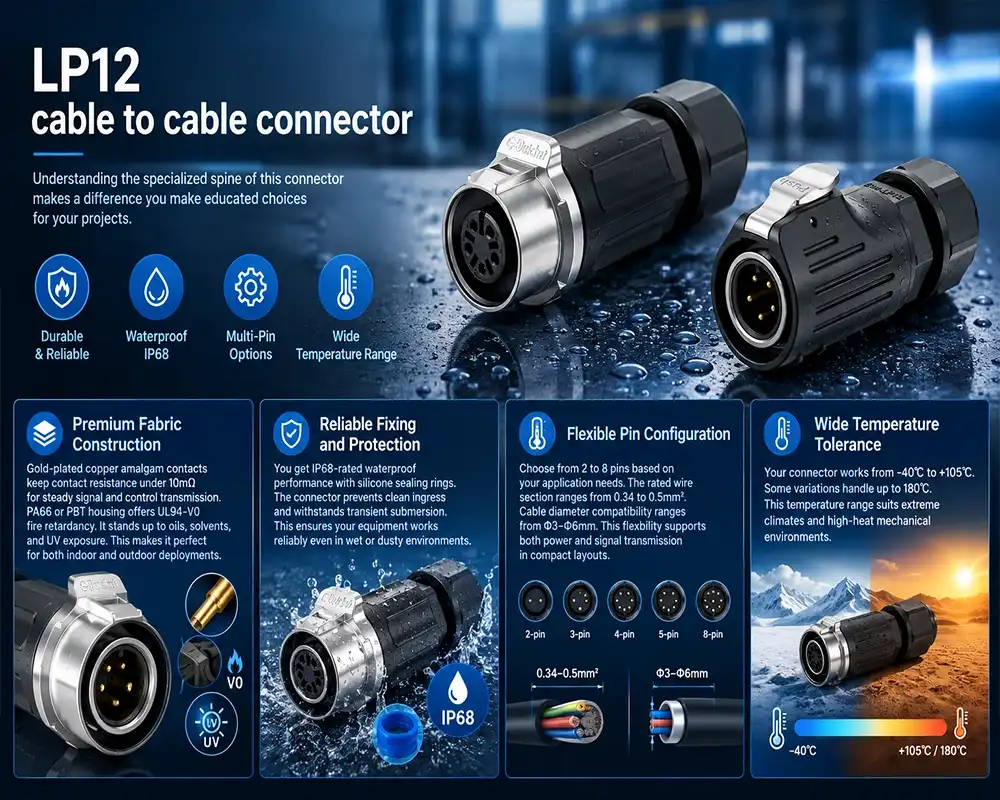
The LP12 series is a special type of circular waterproof connectors made for joining wires directly together in places with limited space. Unlike panel-mount options, these inline ports allow flexible system designs where equipment needs to be moved around a lot or serviced in the field. Their 12mm mounting width can fit between 2 and 8 pins, and their PA66 nylon housings are strengthened with UL94-V0 flame resistant properties to make sure they can be used safely near heat sources and electrical loads.
Core Electrical and Mechanical Characteristics
Gold-plated copper alloy contacts keep the resistance below 10mΩ, which is important for keeping voltage drop on data and power lines to a minimum. The solder-type ending makes metallurgical ties that don't come loose when they are vibrated, which is a common way for things to fail in robots and transportation. These connectors can handle voltages up to 125V and currents up to 5A. They can be used for both low-voltage control circuits and moderate power transfer jobs.
The snap-lock bayonet coupling mechanism can be used with one hand, which cuts installation time by about 40% compared to threaded options. This feature comes in handy for projects with short deadlines where the efficiency of the work directly affects how well the budget works. Depending on how tight the cable gland is, silicone sealing rings can get an IP67 or IP68 rating, which means they protect against dust getting in and temporary immersion up to 1 meter deep.
Operational Temperature Range and Environmental Resilience
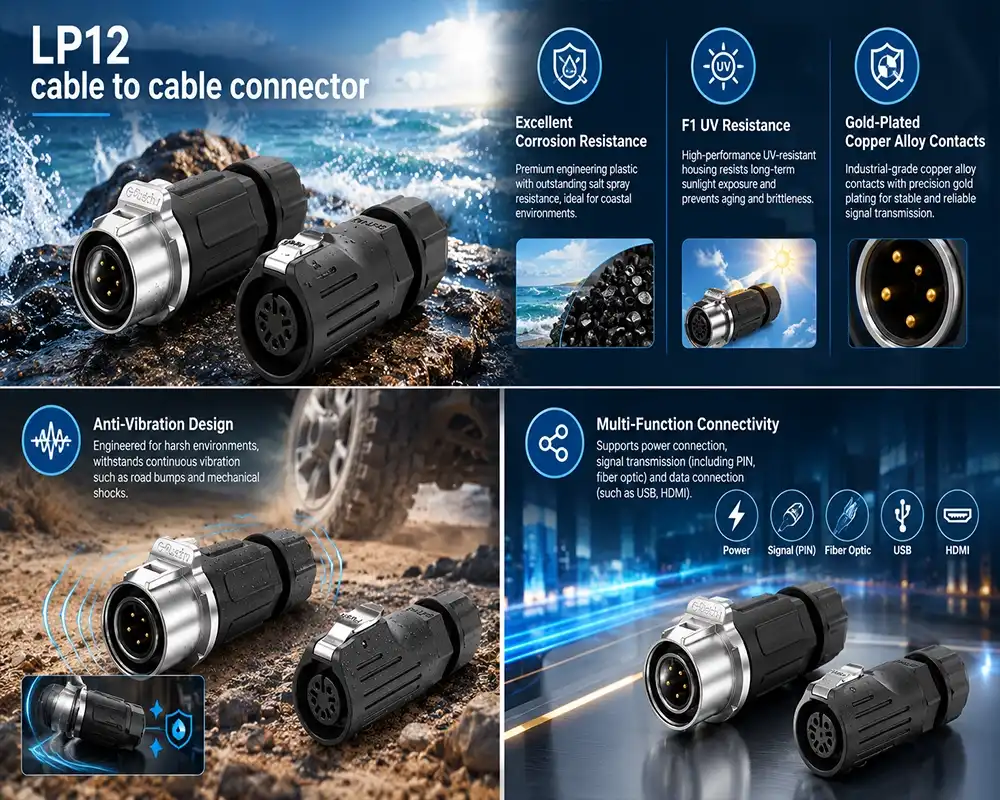
From -40°F to +105°F, these connectors work reliably, so they can handle weather changes in outdoor setups and high-temperature industrial processes. For use near furnaces or engine compartments, specialized versions raise the operating temperature range to 180°C. The housing doesn't react with oils, solvents, or UV light, so it doesn't become brittle or change color over time, which would weaken the seal. Protocols for testing make sure that performance is maintained through 2000 or more mating cycles, which means that equipment will last for years without needing to be serviced regularly.
Criteria for Choosing the Right LP12 Cable Connector
In order to match LP12 cable to cable connector specs to operating needs, environmental, electrical, and logistical factors must be carefully considered. Structured plans that rank factors by how important they are to the application are helpful for procurement teams.
Environmental Conditions Assessment
For outdoor setups that get wet from rain, snow, or saltwater spray, you need IP68-rated plugs with metal parts that don't rust. Better seal designs that stop electrolytic rusting between different metals are especially helpful for landscape lighting projects near the coast. On the other hand, IP67 protection may be enough for indoor automation systems that work in climate-controlled spaces, cutting costs without sacrificing reliability.
Another thing to think about is temperature changing. Every day, solar energy systems experience changes of more than 70℃ between nite and day operation. Connectors must be able to handle thermal expansion without the seal breaking down. This is proven by standard testing according to IEC 60512 protocols.
Electrical Load and Signal Integrity Requirements
LED lighting systems usually use between 1 and 3A per string, which is well within the current limits of LP12s. They also need stable power delivery to keep the lights from flickering. Industrial sensors send out low-current signals that are easily messed up by electromagnetic fields. This means that shielded wire systems with proper grounding through connection shells are needed. To keep regulation within the limits of the equipment, engineers should check the voltage drop calculations for the expected cable runs, taking into account the contact resistance and wire gage.
Pin count is chosen based on how complicated the circuit is. For example, two to three pins are needed for easy on/off switching, but six to eight pins may be needed for addressable lighting controls to connect the power, data, and ground lines. If you want to expand in the future, you should choose links with empty slots instead of maxing out their capacity right away.
Compliance and Certification Verification
Projects that want to export must make sure they follow CE and RoHS rules so they can easily get through customs. In North America, installations often need to be recognized by ETL or UL, especially in commercial buildings that have to go through electrical code inspections. TUV certification gives you more respect in European markets where safety rules are different from those in the U.S. Requesting certification documents during vendor qualification keeps projects from being held up by parts that don't meet standards.
ISO9001 manufacturing practices show consistent quality control, which lowers differences between batches that lead to failures in the field. When suppliers give test results with data on salt spray, insulation resistance, and pull-out force, it shows that they are honest, which is good for building long-term relationships.
Comparing LP12 Cable Connectors with Other Connector Types
The LP12 cable to cable connector line is in a unique position between smaller M8/M12 industrial connectors and bigger multipin circular formats. Each is designed to work best in a certain set of situations.
Design Differences and Performance Trade-offs
The 8mm housings of M8 connectors are good for mounting sensors close together, but they can only hold 4 pins at a time and can't handle as much current. LP12 plugs offer more circuit density and power handling while still being small enough for handheld devices and small LED lights. Larger M16 or aviation-style connectors have more pins and more amperage, but they are too heavy and expensive for consumer electronics or small drones.
Threaded coupling systems are better at resisting vibration than snap-lock designs. This makes them better for heavy rail transit uses where connections are constantly moving and being put under mechanical stress. But in stationary installations or equipment with service panels that are easy to reach, the extra time needed for installation often outweighs the benefits.
Situational Suitability Analysis
The LP12 quick-connect feature helps automation equipment that needs to swap sensors often, which cuts down on production line downtime during maintenance cycles. A robotics company said that switching to bayonet connectors across all of their products cut changeover times by 30%. This directly increased throughput during model changes.
Marine navigation systems sometimes choose metal-shell connections with gold-plated threads over faster installation times because they are more resistant to saltwater. For projects that need to stay within a budget, like installing lights in farms, IP67 grades and shorter warranty terms may be acceptable. This means that failure rates may be slightly higher in non-critical situations.
Installation and Maintenance Guide for LP12 Cable Connectors
Correct building methods and regular checks greatly increase the lifespan of connectors, protecting the initial investment by lowering the number of times they need to be replaced.
Preparation and Assembly Best Practices
Start by cutting the cable jackets to the lengths stated by the maker. An exposed conductor that is too long can cause a short circuit, while an exposed conductor that is too short can't form a good solder joint. Isopropyl alcohol can be used to clean the ends of wires to get rid of oxidation and other things that can make electrical contact weaker. Use rosin-core solder at 350–370℃ to make filets that are shiny and curved without any cold joints or buildup.
Before soldering, thread the cables through the rear glands. This will make taking the assembly apart later easier. Tighten gland nuts to the stated torque values using measured tools. If you over-tighten, the sealing rings will deform, and if you under-tighten, water will be able to get in. Use a voltmeter to check continuity before the final assembly to find wiring mistakes early, when they are easy to fix.
Inspection Routines and Environmental Stress Management
Visual checks should be done every three months to look for cracks in the case, seal expansion, and contact darkening that could mean the motor is overheating. When mated connectors become loose, it means that the seal is breaking down or the locking mechanism is wearing out. If you see UV-induced chalking on the plastic sides of connections, you should replace them before they break completely.
When working with the LP12 cable to cable connector in places with a lot of shaking, like conveyor systems, make sure the bayonet connection threads are properly aligned before applying threadlocker. This stops the gradual loosening that happens when resonant frequencies match the speeds at which the equipment is operated. Condition-based monitoring helps make the most of maintenance budgets by letting you set replacement intervals based on actual failure data instead of making up schedules at random.
Procurement Insights: Where and How to Buy LP12 Cable Connectors?
Strategic sourcing compares the unit cost to the total costs of ownership, which include freight, inventory holding costs, and how quickly the provider can replace when needed.
Supplier Qualification Criteria
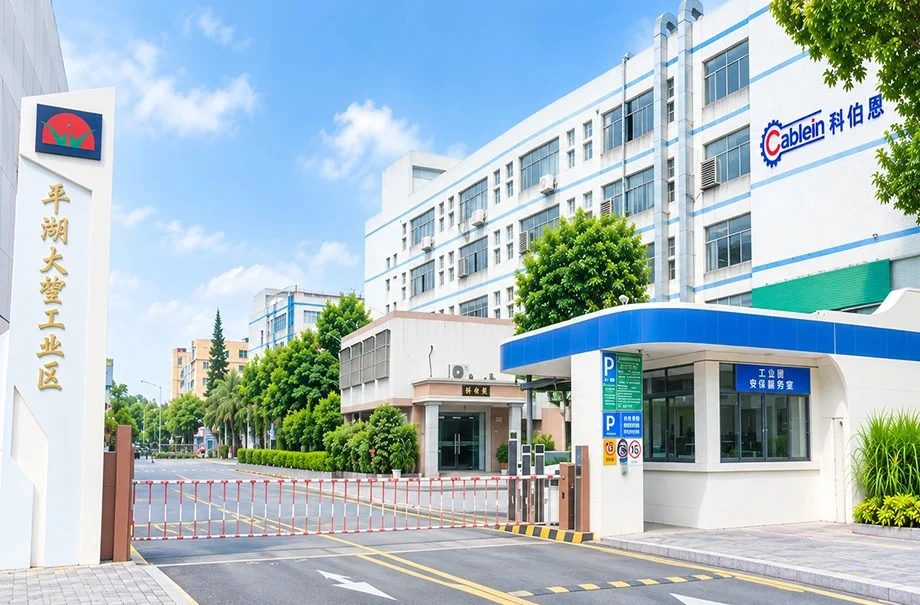
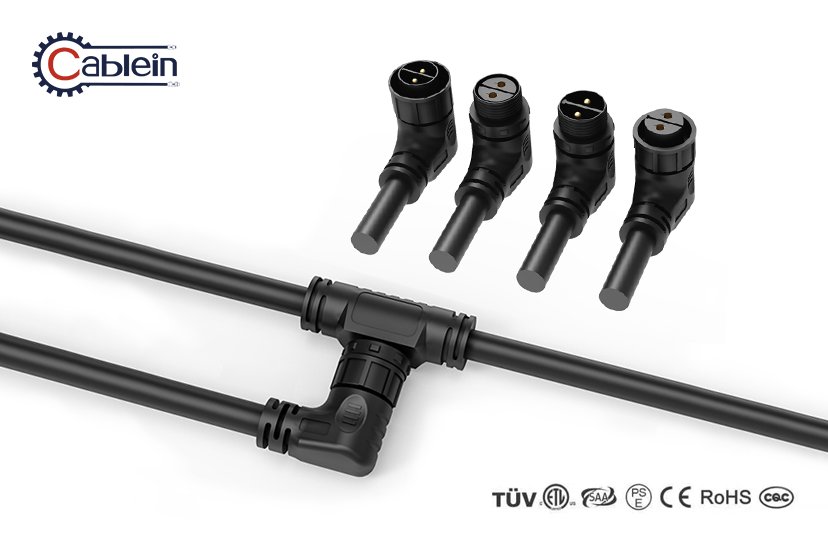
Manufacturers that have been around for a while and do their own research and development can offer better technical support than generic distributors. Cablein Technology keeps its engineering team ready to talk about customization, fix problems in the field, and suggest alternatives when normal goods don't work well enough. In their 6,000-square-meter building, automated testing units check each connector before it is shipped to make sure the quality is always the same.
Before placing a big order, ask for samples and have them checked by a third party to make sure the waterproof ratings and mating cycle durability are correct. Reliable suppliers are happy for third parties to test their products because they are sure they meet the published specifications. Watch out for prices that seem too good to be true. Spot markets often sell fake connectors with poor contact welding or recycled plastics, which fail in the field and cost a lot more than the initial savings.
Pricing Frameworks and Lead Time Planning
Volume discounts usually start at 500 pieces, with bigger breaks at 2,000 and 10,000 pieces, which shows how the cost of setting up the factory is spread out over time. Custom pin configurations or non-standard cable lengths raise prices by 15–25%, but they get rid of the need for field modification labor, which often makes the extra cost worth it. Standard goods ship within 7–10 days from reputable sources who keep a deep inventory. Custom orders, on the other hand, take 3–4 weeks for tooling and production scheduling.
International shipping with DHL or FedEx costs between $45 and $80 for small boxes that weigh less than 5 kg, and it arrives in North America in 5 to 7 working days. Sea freight lowers the cost per unit for orders over 50 kg, but the transit time is 25–35 days, so it needs to be planned ahead of time to fit project schedules. Reliable sellers work with experienced freight forwarders who handle customs paperwork to keep processing times from being too long.
Conclusion
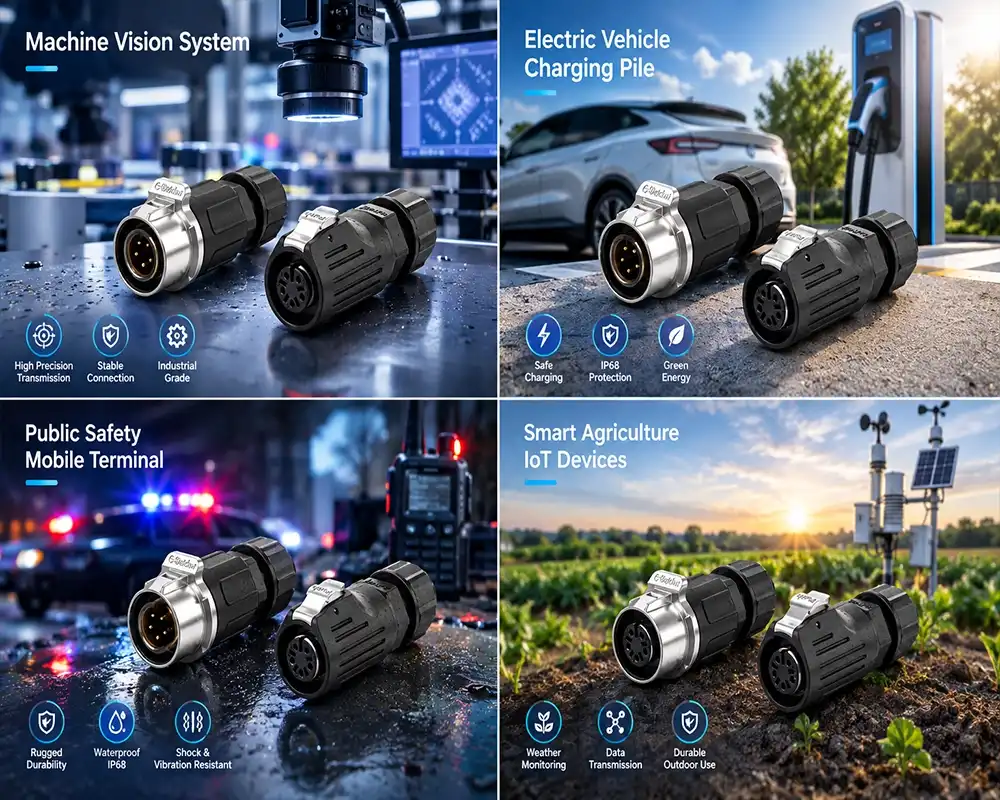
To pick the right LP12 cable to cable connectors, you need to carefully compare their environmental protection levels, electrical specs, and how easy they are to apply to the needs of your application. These connectors are perfect for LED lighting, automation equipment, and outdoor electronics because they are small (12 mm) and waterproof (IP67/IP68). The snap-lock design has been tested thousands of times to make sure it works every time. By giving more weight to suppliers with TUV and CE certifications, ISO9001 manufacturing practices, and quick expert help, you can protect your investment by making sure the quality is stable and allowing for customization. When comparing upfront costs to total ownership costs, which includes installation work, upkeep frequency, and downtime caused by failures, it helps buyers choose reliable connectivity solutions that keep system integrity throughout the lifecycles of products.
FAQ
What pin count should I select for my LED lighting system?
For simple on/off control, you need two-pin plugs that can handle both positive and negative lines. For dimmable setups, you need 3–4 pins that can hold both power and PWM control signals. For data protocols, power, and ground references, addressable RGB systems need 6 to 8 pins. Figure out the total current drawn by all the LEDs to make sure the 5A value per pin is enough, or choose parallel connectors to spread the load.
How do I verify IP68 rating effectiveness after installation?
Rated safety is achieved when connections are properly put together, wire diameters are matched to gland specs, and torque values are set to the manufacturer's recommendations. Test examples should be submerged in water at certain depths for 30 minutes. After that, the insulation resistance should be measured; numbers above 100M indicate that the seal is solid. Do not make changes in the field that affect the engineered tolerances between the sealing rings and housing components.
Can these connectors handle vibration in mobile equipment?
When properly engaged, snap-lock systems meet MIL-STD-202G vibration standards and are ideal for moderately heavy-duty mobile uses such as aerial work platforms. Extremely vibration-prone places, like mine haul trucks, might need threaded coupling or extra strain relief to keep things from slowly coming free. Write down the actual ways things went wrong during field trials to help improve the specifications.
Partner with a Trusted LP12 Cable to Cable Connector Manufacturer
Cablein Technology offers waterproof connectivity solutions for businesses. They have nine years of engineering experience and more than 30 utility model patents to back them up. Our line of LP12 cable to cable connectors is made with TUV and CE-certified materials and ISO9001:2015 quality systems, so they always work well in tough industrial settings. We keep more than 10,000 pieces of each SKU in stock so that we can send them quickly (7–10 days). Our OEM/ODM team can also change the pin configurations, wire lengths, and housing materials to exactly match your needs. Get in touch with our technical experts at nick@cableinco.com to talk about your project needs and get personalized advice from a dependable LP12 cable to cable connector provider dedicated to your success. You can look at our whole line of products at connectorswaterproof.com and ask for samples that will show you the quality that runs important systems around the world.
References
1. Institute of Electrical and Electronics Engineers. (2021). Industrial Connector Systems: Design Standards and Performance Testing. IEEE Standards Association Technical Report.
2. Johnson, M. R., & Chen, L. (2022). Waterproof Connector Technology in Harsh Environments: Material Science and Reliability Engineering. Springer International Publishing.
3. National Electrical Manufacturers Association. (2023). Circular Connectors for Industrial Applications: Specification Guidelines. NEMA Standards Publication.
4. Roberts, A. T. (2020). Cable Assembly Design for Outdoor Electronics: Environmental Protection and Signal Integrity. McGraw-Hill Professional Engineering.
5. Society of Automotive Engineers. (2022). Connector Performance in Temperature Cycling and Vibration: Test Methodologies. SAE International Technical Paper Series.
6. Wilson, P. K., & Nakamura, H. (2023). Industrial Automation Connectivity: Procurement Strategies and Supplier Quality Assessment. CRC Press.