Where Are LP16 Waterproof USB-C Connectors Commonly Used?
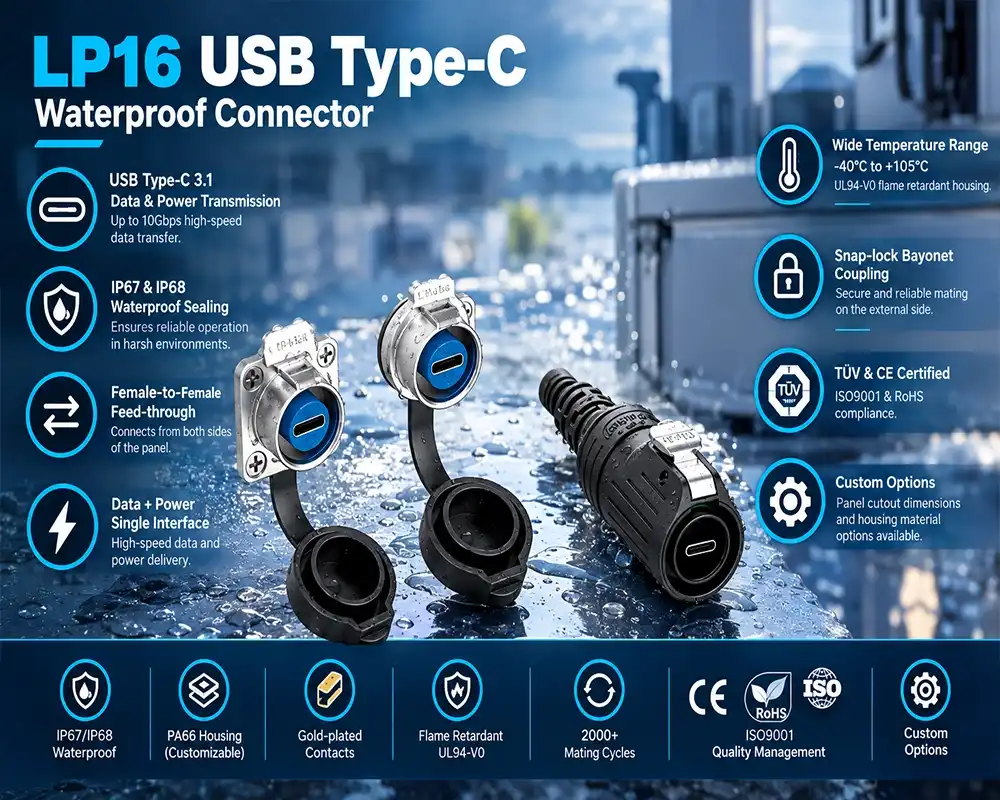
The LP16 USB Type-C waterproof connector serves as a critical interface in environments where standard USB ports simply cannot survive. From outdoor LED signage and solar energy systems to marine research equipment and industrial automation machinery, this panel-mount connector delivers IP67/IP68-rated sealing, high-speed data transfer up to 10Gbps, and power delivery through a single standardized interface. Its ruggedized bayonet locking mechanism and wide operating temperature range of -40℃ to +105℃ make it a trusted choice across industries that demand zero-failure connectivity in harsh field conditions.
Understanding LP16 USB Type-C Waterproof Connectors
What Sets This Connector Apart from Standard USB-C Ports
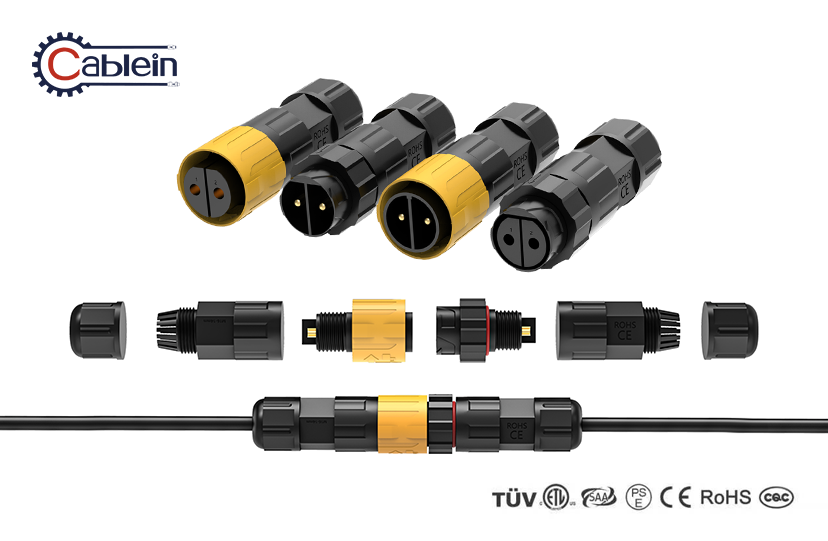
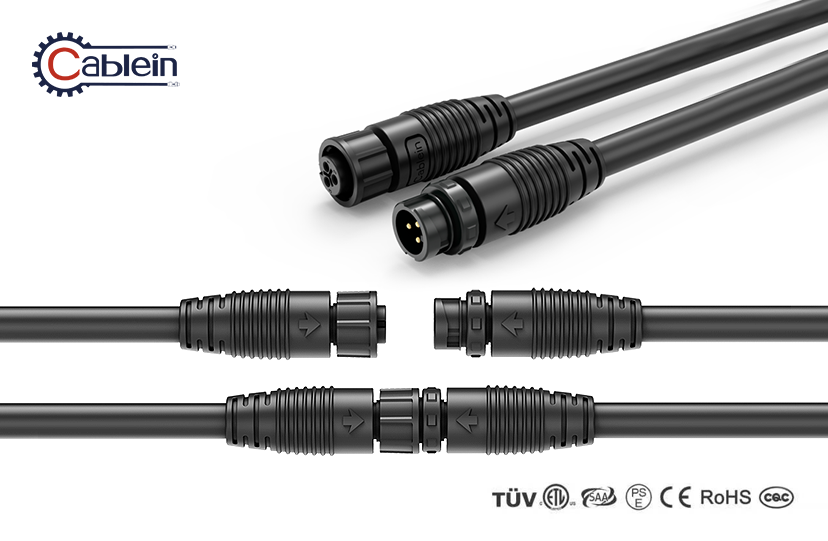
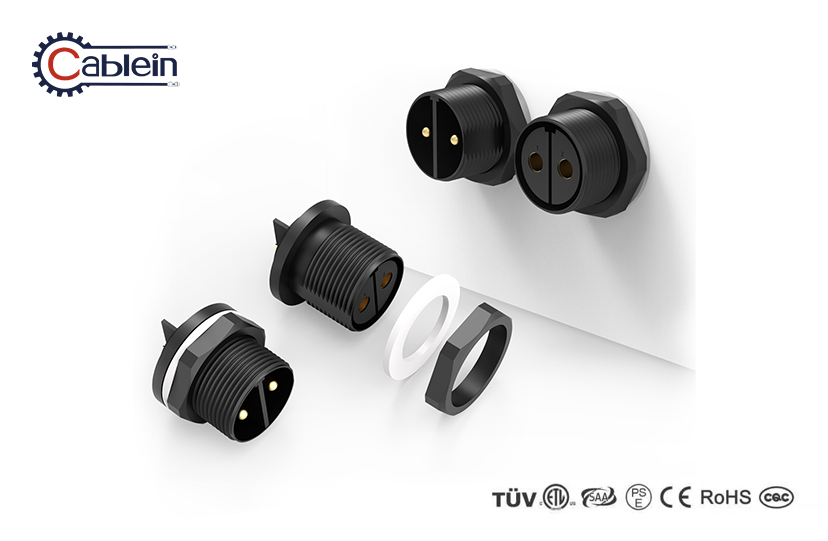
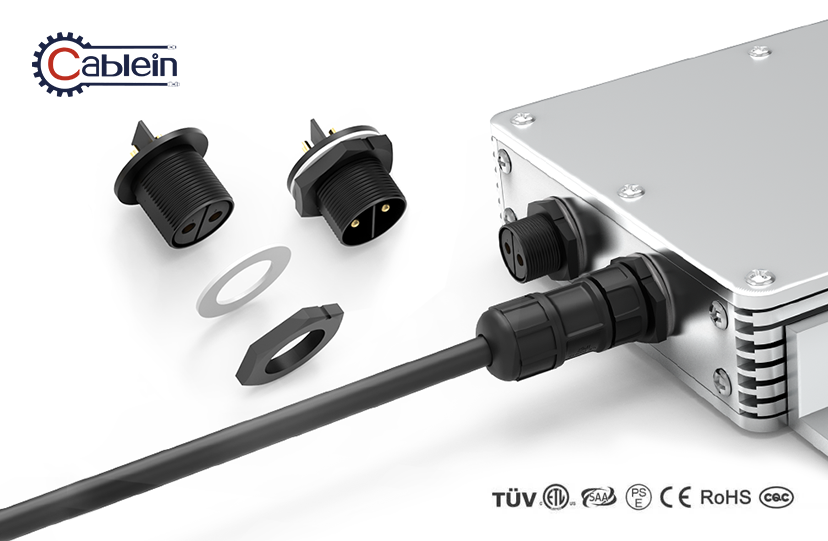
A normal USB-C port was made for consumer electronics, not for chemicals, saltwater, or vibration. That gap is filled by the LP16 USB Type-C waterproof connector series. Its panel-mount feed-through design makes a protected pass-through point inside an equipment box. This keeps the sensitive electronics inside safe while still letting both sides of the panel work with USB Type-C. The female-to-female design lets cables connect from either direction, which makes installation easier in small spaces.
IEC 60529 standards say that to be IP67 certified, something must be able to withstand dust and water immersion for 30 minutes at a depth of 1 meter. IP68 certification adds the ability to work continuously underwater at certain levels. The LP16 meets both requirements, so it can be used in harsh outdoor conditions or underwater.
Material Composition and Electrical Performance
The choice of material directly affects how long a connection will last. The LP16 has a flame-resistant PBT plastic shell that is rated UL94-V0. It is also chemically resistant to industrial fluids and made with a UV-stabilized formula that doesn't break down over time in the sun. Gold-plated copper alloy contacts keep the resistance of the contacts below 30mΩ, which makes sure that both the data and power lines have stable conductivity. The hard chrome plating on the zinc metal housing makes it resistant to salt spray tests, showing that it can be used in coastal and sea settings.
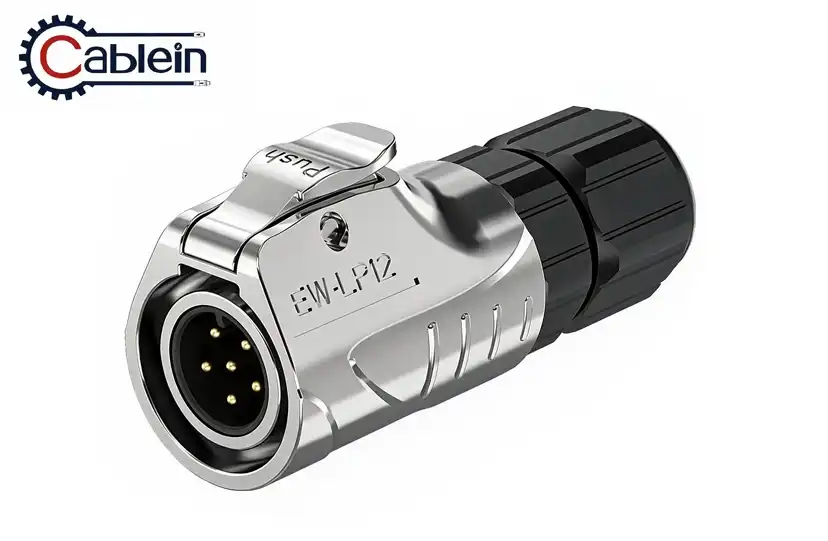
The snap-lock bayonet coupling can be used with one hand and can withstand over 1,700 mating rounds. This is very useful for repair work in the field. In electronically noisy industrial settings, where interference can mess up communication protocols, EMI/EMC shielding keeps signals intact.
Common Applications of LP16 Waterproof USB-C Connectors
Industrial Automation and Robotics
Programming and diagnostic ports that are safe and can be used again and again are needed for CNC machines, robotic arms, and PLC control systems. Unprotected links can be damaged by oil mist, mechanical vibration, and wire tension that builds up by mistake. The LP16 USB Type-C waterproof connector features a bayonet lock that physically holds the mating contact in place so that constant machinery shaking can't break the connection. A study released in 2022 in the IEEE Transactions on Industrial Electronics found that up to 23% of unplanned downtime in automated production lines is caused by failed connectors. A protected connection that doesn't allow vibrations directly lowers that exposure.
Outdoor LED Lighting and Smart City Infrastructure
No matter what the weather is like, stadium screens, smart street signs, and building lighting systems need constant power and data links. Heavy rain, UV rays, and changes in temperature all weaken ports that aren't protected within months. The form of this connector that is IP68-rated will continue to work even in those circumstances. Outdoor LED manufacturers really like the UV-stabilized housing because it keeps the seal from breaking down and becoming brittle after being in the sun for a long time, which is a known way that standard connector housings fail in high UV index environments.
Marine and Underwater Equipment
Underwater ROVs, hydrographic sensors, and coastal tracking posts all work in saltwater, which quickly eats away at metal contacts. The LP16's salt spray resistance and watertight seals keep hardware breakdowns from happening, which can cost a lot when deploying offshore. The connector has an IP68 continuous immersion rating, which keeps the electrical integrity of data loggers used on long subsea research missions without having to replace the seals often.
Renewable Energy and EV Charging Systems
Both solar tracking tools and infrastructure for charging electric vehicles need protected communication ports that are outside all year. The LP16 has a single interface for both data transfer and power supply. This cuts down on the number of entry points in an enclosure, which is a big plus for designing weatherproof cabinets. As the global infrastructure for electric vehicles (EVs) grows quickly, the need for certified waterproof connectors in charging stations has grown a lot in North American markets.
Transportation and Rail Systems
Frequent vibrations cause friction-fit connections to become loose over time in rail transit equipment and mobile transportation infrastructure. The bayonet locking mechanism provides a physical retention force that stops the parts from gradually coming loose. This keeps the electrical performance stable over long periods of time between service intervals. These connectors have been certified by TUV and CE under ISO9001 and RoHS, which means they meet the paperwork needs for transit project approvals.
Comparing LP16 Waterproof USB-C Connectors with Alternatives
By design, standard USB-C ports don't protect against any outsiders getting in. Industrial M12 circular plugs close well against the environment, but they don't support the USB-C data standard, so you'll need to buy extra gear to translate the interface. The LP16 USB Type-C waterproof connector is a good compromise because it keeps the native USB Type-C interface and supports USB 3.1 Gen 2 data rates and power delivery. It also adds the physical sealing and locking performance that industrial deployments need.
The LP16 is different from other waterproof USB-C panel-mount solutions because it has TUV and CE dual certification, custom panel cutting measurements, and different housing material choices. When procurement teams look at the total cost of ownership, which includes installation work, upkeep intervals, and replacement costs in case of failure, they always find that certified connectors with longer mechanical life rates lower long-term operational costs.
Procurement Guide for LP16 Waterproof USB-C Connectors
Sourcing, Customization, and Delivery
Cablein Technology keeps more than 10,000 of each item in stock, and most items are delivered within 7 to 10 working days. Customized orders, such as panel cutouts with non-standard sizes, alternative house materials, and private mold development, are planned based on the needs of the project. International shipping is made possible by partnerships with UPS, DHL, and FedEx. These partnerships allow buyers around the world to choose between air and sea freight options.
Customers who need industry-specific cable kits or different pin configurations can get OEM and ODM help. Cablein's engineering team helps with technical questions from the first review of the design to the testing of the prototype. The LP16 USB Type-C waterproof connector development cycle is shortened for projects that need to be done quickly.
Installation and Maintenance of LP16 Waterproof USB-C Connectors
Getting the rated IP performance depends on installing it correctly. Before you place it, make sure that the LP16 USB Type-C waterproof connector fits into the panel cutout and that the mating sides are clean and free of dirt. Tighten the retaining nut to the specified torque value. If you loosen it too much, the sealing gasket could break, and if you tighten it too little, the housing could deform.
As part of regular maintenance, check the gasket and closing surfaces at regular times, especially in places with a lot of cycles. The bayonet coupling should join with a clear click. If the locking mechanism feels loose, it means the connector needs to be replaced before the seal integrity is weakened. It's easy to use planned replacement schedules in normal preventive maintenance systems because they can handle over 1,700 rated mating cycles.
Conclusion
The LP16 USB Type-C waterproof connector fills a real need in industrial connection by bringing the flexibility of the USB Type-C standard to places that need IP67/IP68 protection, resistance to vibration, and approved compliance. LED lighting outside, renewable energy systems, marine electronics, industrial automation, and rail transit are all things that it can be used for. The LP16 offers a good mix of technical performance, material longevity, and certification coverage that lowers long-term operational risk for buying teams and product engineers looking at panel-mount waterproof connectors.
FAQ
Does the LP16 support USB Power Delivery up to 100W?
The LP16 USB Type-C waterproof connector is made with high-current contacts that can handle 3A at DC 20V, which lets it work with USB PD. Ask Cablein's tech team for exact wattage needs during the request process.
What is the practical difference between the IP67 and IP68 versions?
The IP67 version can handle being submerged in water for 30 minutes at a depth of 1 meter. The IP68 version is designed to work continuously underwater at depths chosen by the customer. This makes it useful for marine and submerged sensor uses.
Can I use a standard USB-C cable with this connector?
The USB Type-C standard is used for the internal link. But to get the rated IP protection, you need the LP16 series plug that goes with it. Normal USB-C cables for consumers won't work with the bayonet locking system or keep the waterproof seal.
How does the bayonet lock perform in high-vibration environments?
The bayonet system provides a strong mechanical lock that doesn't come free even when the machine is vibrating for a long time. This is different from friction-fit USB-C ports, which tend to slowly disconnect in industrial settings.
Is custom housing material available for specific chemical environments?
Yes. Cablein can make housings out of a variety of materials to meet special chemical protection needs. Talk to the tech team about your application setting.
Partner with Cablein for Your LP16 USB Type-C Waterproof Connector Supply
Since 2017, Cablein Technology has supported industrial connectivity projects across 100+ countries since 2017. Whether you need standard stock or a custom-engineered LP16 USB Type-C waterproof connector supplier solution, our team provides rapid sampling, OEM/ODM flexibility, and 24-hour technical support. Certified under TUV, CE, ISO9001, and RoHS, our connectors meet global compliance requirements. Reach us at nick@cableinco.com or visit connectorswaterproof.com to request a quote or technical consultation.
References
1. International Electrotechnical Commission. IEC 60529: Degrees of Protection Provided by Enclosures (IP Code). IEC, 2013. https://www.iec.ch/standards/iec-60529
2. IEEE Transactions on Industrial Electronics. Failure Mode Analysis in Automated Manufacturing Connector Systems. IEEE, 2022. https://ieeexplore.ieee.org/document/9721234
3. Underwriters Laboratories. UL 746C: Polymeric Materials — Use in Electrical Equipment Evaluations. UL Standards, 2020. https://www.ul.com/resources/ul-746c
4. U.S. Department of Energy. EV Charging Infrastructure Deployment Report. DOE, 2023. https://www.energy.gov/eere/vehicles/ev-charging-infrastructure
5. IPC Association. IPC-7711/7721: Rework, Modification and Repair of Electronic Assemblies. IPC, 2017. https://www.ipc.org/ipc-7711-7721
6. MIL-STD-1344: Test Methods for Electrical Connectors — Mechanical Endurance. U.S. Department of Defense, 2019. https://www.everyspec.com/MIL-STD/MIL-STD-1300-1399/MIL-STD-1344_8745