What Is a Solar AC Connector and Why Is It Important for PV Systems?
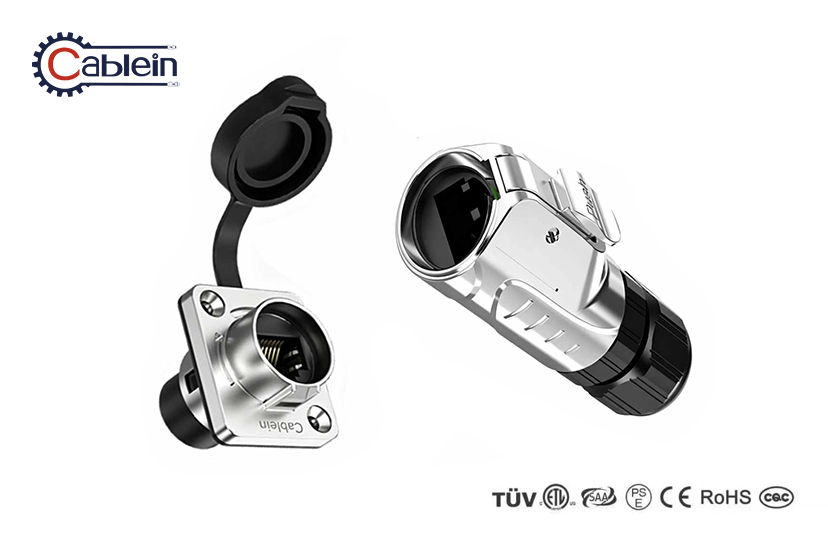
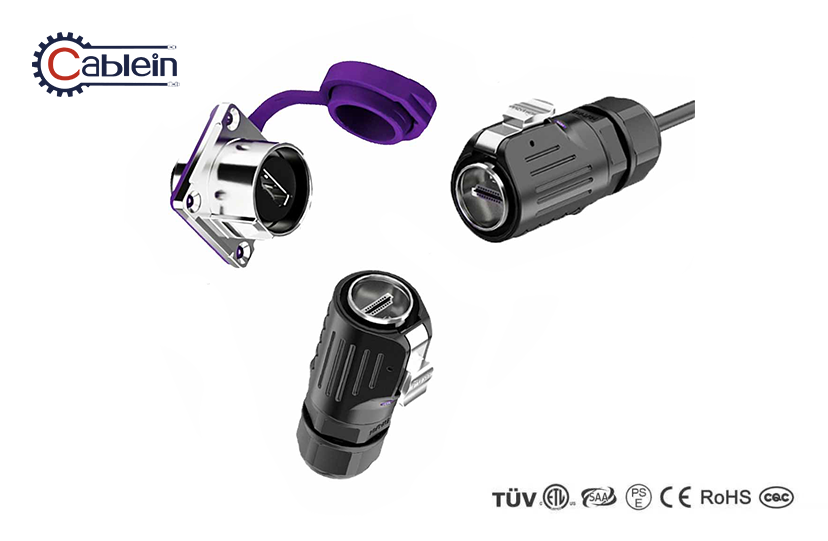
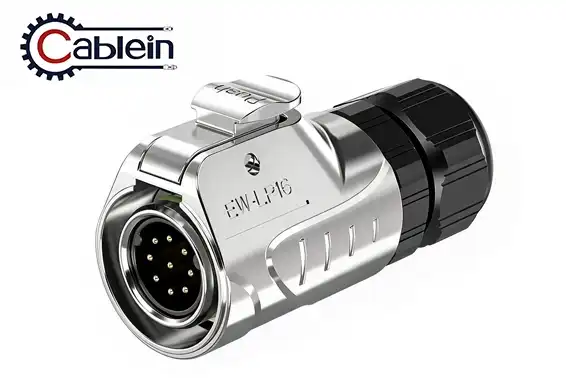
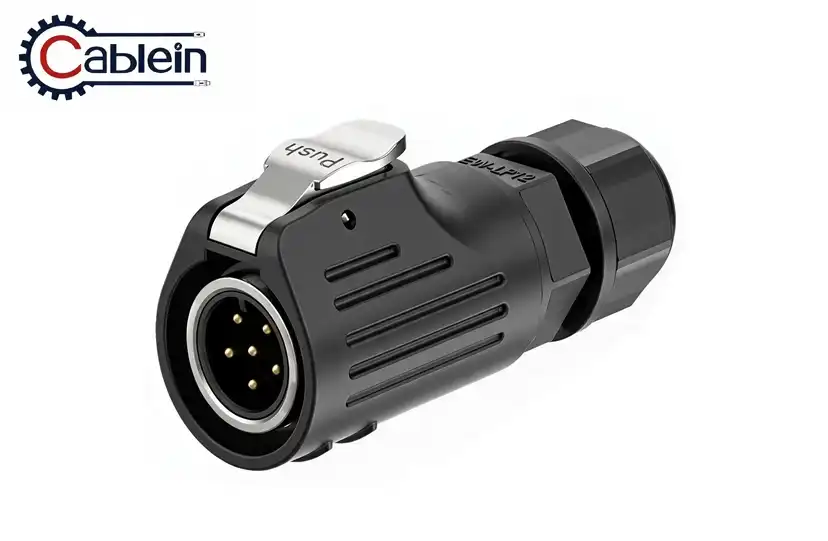
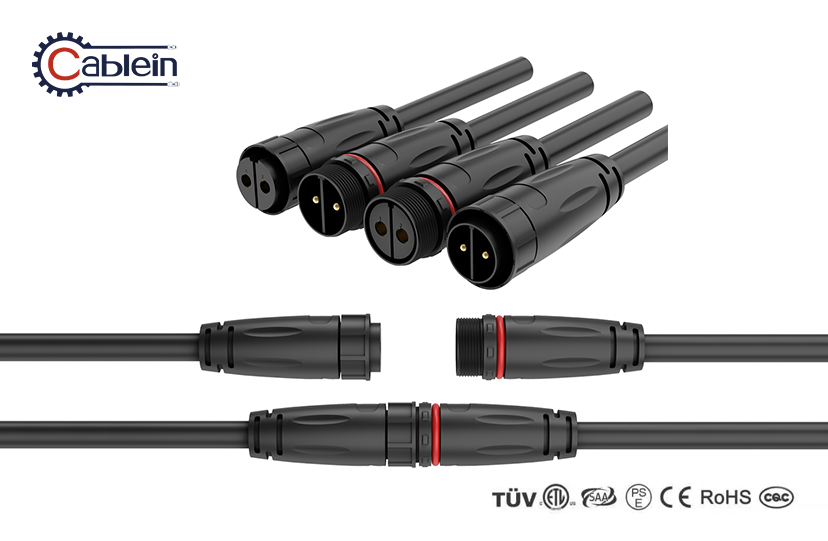
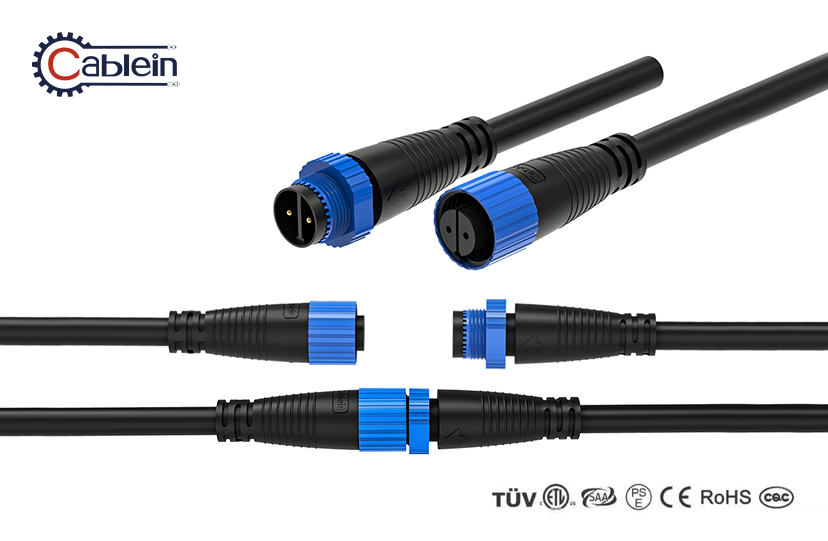
A solar AC connector is a specialized electrical interface component installed on the alternating current output side of a photovoltaic system. It bridges microinverters or string inverters to the AC distribution bus or utility grid, replacing traditional hardwired junctions with a polarized, tool-friendly plug-and-play connection. According to the International Energy Agency's Renewables 2023 report, global solar capacity additions reached a record 295 GW in 2022, placing greater demands on field-installable components. Choosing a certified AC output connector directly affects system safety, long-term yield, and maintenance cost—making it one of the most consequential decisions in any PV installation project.
Understanding Solar AC Connectors: Definition and Function
What Separates AC Connectors from DC Connectors
DC connections, like the common MC4 type, send current in one direction between solar panels and an inverter at voltages that can go over 1,000 V. AC connectors, on the other hand, handle alternating current going both ways on the inverter's output side that faces the grid. DC and AC connections are not interchangeable because their contact shape, insulation thickness, and locking devices are all designed to work with AC voltage and frequency.
Key Technical Parameters to Know
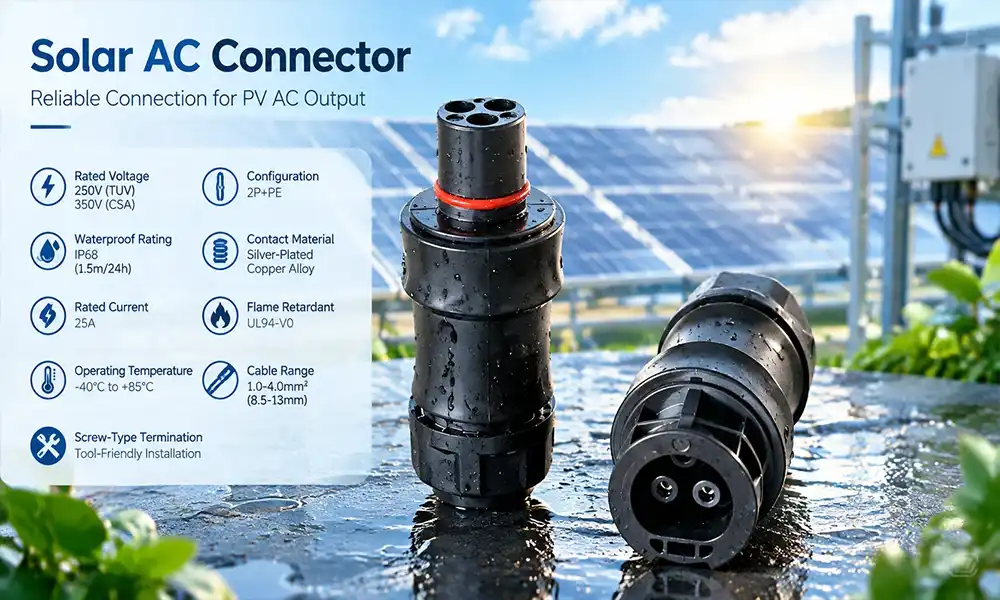
A photovoltaic AC output connector that is properly specified has a voltage rating of 250 V to 600 V AC and a current rating of 20 A to 30 A. The electrode set-up is 2P+PE, which means it has two current-carrying poles and a safety earth. This allows for normal single-phase AC transmission. To meet the standards for overvoltage category III, the insulation resistance must be at least 100 MΩ, and the shock withstand voltage must be at least 4,000 V AC.
Governing Standards and Certifications
International compliance is a must for parts that are going to be sold in North America or Europe. According to IEC standards, TUV certification covers the 250 V AC rating. On the other hand, CSA certification covers the 350 V AC rating needed by North American grid codes. Extra compliance marks, like CE, RoHS, and UL94-V0 for flame retardancy, show that a connector meets rules for both electrical safety and environmental protection. This keeps wholesalers and installers safe and makes customs processing go smoothly.
Types and Features of Solar AC Connectors
Housing Materials and Flame Retardancy
The material of the connector's body decides how long it will last outside. High-performance plastics rated UL94-V0 put out fires on their own within 10 seconds of being exposed to flames, stopping fires from spreading to other parts of the building. It's important to note that PA66 and PPO compounds don't break down when exposed to UV light, because regular plastics crack and lose their ability to seal within three to five years.
Waterproof and Environmental Ratings
An IP68 rating, which can be checked by submerging the solar AC connector in water at 1.5 meters for 24 hours straight, is the standard for outdoor PV connectors. With this level of ingress protection, water, farm chemicals, and salt spray from the coast can't get to the contact ports. When buying things for coastal or farming uses, procurement teams should ask sellers to test their goods for resistance to salt spray (per ASTM B117) and ammonia. These are two more quality checks that should be done.
Contact Design and Compatibility
Contacts made of silver-plated copper alloy have a resistance of 1 mΩ or less, so even at 25 A continuous load, resistive heating is almost nonexistent. The screw-type end can fit conductors that are 1.0 mm² to 4.0 mm² in cross-sectional area and cable outer diameters that are 8.5 mm to 13 mm, which are the most common PV wire sizes. This wide compatibility cuts down on the need for adapters and makes it easier for distributors to keep track of their stock when they have a lot of different cable specifications.
Why Solar AC Connectors Are Critical for PV System Performance and Safety
Reducing Energy Loss at the Connection Point
Under load, every milliohm of contact resistance makes heat. When running at 25 A, a connector with a contact resistance of 5 mΩ loses about 3.1 W continuously. When this is spread out over dozens of connection points in a commercial array, it becomes measurable yield loss. On the other hand, contacts rated ≤1 mΩ keep resistive loss very low, which protects the annual energy output and lowers the heat stress on the wire lead.
Preventing Wiring Errors and Arc Faults
The 2P+PE polarized design physically stops reverse insertion. This gets rid of a frequent source of field mistakes that can damage inverters or trip breakers. A 2021 fire risk study published in Solar Energy found that AC-side connections that were too loose or didn't match were a major cause of many residential PV-related electrical accidents. A verified locking AC connector with set insertion and removal forces (10–50 N open) gives the mechanical security needed to keep the connection from coming loose by chance when the temperature or vibration changes.
Installation Best Practices for Long-Term Reliability
Here are the main steps that professional installers take to make sure that connectors last as long as possible:
- Strip conductors to the exact specified length. Over-stripped conductors expose insulation gaps; under-stripped ones reduce contact area and raise resistance.
- Torque screw terminals to the manufacturer's specification. Under-torqued terminals loosen over thermal cycles; over-torqued ones damage conductor strands.
- Inspect the O-ring seal before mating. A displaced or damaged O-ring is the primary cause of IP68 seal failure in the field.
- Avoid mixing connector brands in the same circuit. Tolerance differences between manufacturers can create micro-gaps that concentrate heat and cause arcing.
By constantly following these steps, callback rates go down, and both the installer and the end customer are protected from guarantee claims.
Choosing the Right Solar AC Connectors for Your Procurement Needs
Evaluating Voltage, Current, and Certification Stack
Before you buy a lot of them, make sure that the voltage level of the solar AC connector fits the grid standard in the market you want to reach. The 250 V TUV/350 V CSA dual-certification works for both European and North American deployments, so dealers only need to deal with one SKU that can be used in more than one channel. Make sure that the certifications are up-to-date, include the part number of the product, and can be downloaded digitally for use in online stores.
Supplier Capabilities That Matter for B2B Buyers
For wholesalers in charge of project processes, being able to ship in-stock items within 7–10 days makes them stand out. Aside from wait time, look for providers that offer pre-assembled AC harnesses with custom wire lengths (usually 3 ft, 6 ft, and 10 ft for North American rooftop layouts) and who accept orders as low as 100 to 300 pieces for one-time projects. OEM/ODM label services that update TUV and CSA listings at the same time let brand owners keep their certifications up to date without having to run separate test programs.
Total Cost of Ownership Beyond Unit Price
The unit price is important, but it's only one of many things that count. An installer's time, replacement parts, and the customer's trust are all lost when a connector breaks in the field. These costs are much higher than any savings per piece. Before you sign a contract with a supplier, make sure you get written test results for thermal cycling (–40 °C to +85 °C), salt spray hours, and UV aging. When suppliers make these data public, they show that they follow the production rules that back 25-year service life claims.
Future Trends and Innovations in Solar AC Connectors
Smart Monitoring Integration
In the next generation of AC-side connectors, sensors are starting to be built in. These sensors send data about the connection's temperature and resistance to tracking platforms over power lines or Bluetooth. Early field tests published in the journal Progress in Photovoltaics in 2023 suggest that real-time thermal tracking at the connector level can find degradation up to six months before it shows up as a failure, which will cut down on unplanned power outages in industrial arrays.
Evolving Standards and Sustainability Requirements
IEC and UL working groups are currently changing standards to include rules for connection housings to be able to be recycled and to account for the higher AC voltages that come with next-generation microinverters. As of now, procurement teams looking for connectors should ask manufacturers for proof of RoHS and REACH compliance and find out about their material take-back programs. This is because stricter environmental rules in the EU and California are likely to change product standards in the next three to five years.
Modular and Tool-Free Design Advances
Connector makers are putting money into push-lock and quarter-turn locking systems that make installation faster without lowering the IP68 rating. Installers working at height on residential roofs will find that not having to carry a separate unlocking tool cuts down on the time it takes to connect things and the chance of dropping tools, which is good for safety but can directly affect the cost of projects that require a lot of work.
Conclusion
The most reliable part of a solar AC connector device is its connection point. Choosing a certified AC output connector with the right voltage rating, contact material, sealing standard, and cable compatibility lowers the risk of fire, keeps energy losses low, and makes maintenance easy in the future. When wholesalers choose the right product, fitters who trust the parts they sell will buy from them again and again. The world's solar power keeps growing. One area where skimping on quality always costs more in the long run is connection quality.
FAQ
1. Can I mix AC connectors from different manufacturers in the same installation?
No. Manufacturers specify tolerances for their own mating pairs. Combining different brands creates dimensional mismatches that concentrate stress on contact surfaces, raising resistance and increasing arcing risk. It also voids the relevant certifications, which can create insurance and code-compliance problems during inspections.
2. What certifications should a solar AC connector carry for the North American market?
CSA certification is required for Canadian and US grid interconnection applications. UL 2238 listing is the additional benchmark many inspectors reference. TUV certification under IEC standards covers European deployments. A dual 250 V TUV / 350 V CSA connector covers both markets with a single part number.
3. How long does a quality AC connector last outdoors?
A connector that passes IEC thermal cycling (–40 °C to +85 °C), 1,000-hour salt spray, and UV aging tests is rated for a 25-year service life, matching standard PV panel warranties.
4. What is the minimum order quantity for custom cable lengths?
Most suppliers accept 100–300 pieces per run for pre-assembled AC harnesses with custom lengths. Confirm lead time and documentation requirements before committing.
5. How do I detect a failing connection in the field?
Discoloration of the housing, a burning smell near the junction box, or elevated thermal signatures during infrared inspection are the primary indicators. Replacing the connector promptly prevents downstream damage to the inverter and cabling.
Get Certified Solar AC Connectors from Cablein — Request a Quote Today
Cablein Technology makes and sells solar AC connectors with dual 250 V TUV/350 V CSA certification, IP68 sealing, and UL94-V0 housings. Their production is governed by ISO 9001:2015 standards, and they have been making connectors for 9 years. Our team can meet your needs, whether you need stock units to be resold by distributors, pre-assembled harnesses for project installations, or OEM-labeled connectors with a synchronized certification listing. You can email us at nick@cableinco.com to get examples, information on tiered prices, or technical documents.
References
1. International Energy Agency. Renewables 2023: Analysis and Forecast to 2028. IEA Publications, 2023.
2. Kurtz, S., et al. "Photovoltaic System Reliability." Progress in Photovoltaics: Research and Applications, 2023.
3. Wohlgemuth, J. H. "Standards for PV Modules and Components." IEEE Journal of Photovoltaics, 2012.
4. Kontges, M., et al. Review of Failures of Photovoltaic Modules. IEA PVPS Task 13, Report IEA-PVPS T13-01:2014.
5. Alsema, E. A., and M. J. de Wild-Scholten. "Environmental Impacts of Crystalline Silicon Photovoltaic Module Production." Materials Research Society Symposium Proceedings, 2006.
6. National Electrical Code (NEC) Article 690: Solar Photovoltaic (PV) Systems. NFPA 70, 2023 Edition.